When selecting industrial fabrics, coated substrates, or abrasive backings, engineers and procurement specialists frequently face a fundamental technical choice: Which backing material provides the optimal balance of tensile strength, flexibility, heat tolerance, and cost efficiency—Cotton, Polyester, or Blended Cloth?
The choice of backing material dictates how an end product performs under mechanical strain, environmental exposure, and repetitive physical load. Choosing an unsuitable backing can lead to premature tearing, loss of structural integrity, or unnecessary production overhead. Here is a technical breakdown to help you evaluate which backing substrate fits your specific industrial application.
1. Cotton Backing: Flexibility, Conformability, and Natural Grip
Cotton has long been a staple backing material across coated abrasives, industrial tapes, and flexible composites. As a natural fiber, cotton offers distinct mechanical advantages:
2. Polyester Backing: High Tensile Strength, Tear Resistance, and Moisture Stability
Synthetic polyester backings are engineered for maximum durability and extreme working conditions where natural fibers fail:
3. Blended Cloth Backing: The Balanced Hybrid Solution
Polyester-cotton (Poly-Cotton) blends combine the mechanical toughness of synthetic fibers with the flexibility and adhesion qualities of natural cotton:
4. Performance Comparison Matrix
| Property | Cotton Backing | Polyester Backing | Blended Cloth (Poly-Cotton) |
|---|---|---|---|
| Tensile Strength | Moderate | Very High | High |
| Flexibility / Contour | Excellent | Rigid to Moderate | Good |
| Moisture Resistance | Low | Excellent | Moderate |
| Best Applications | Light polishing, complex contours | Heavy-duty, wet/dry industrial load | General industrial duty, balanced wear |
5. Engineered High-Performance Materials with Huidu UHMWPE
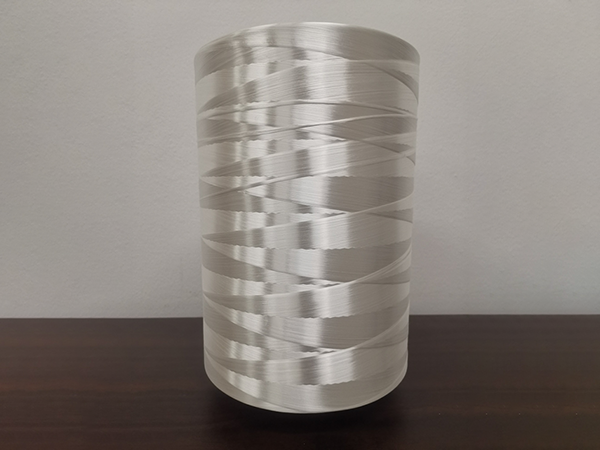
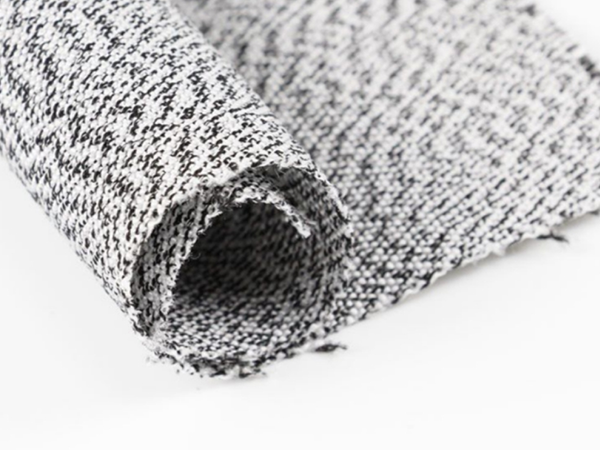
While traditional cotton, polyester, and blended backings address standard industrial needs, modern high-stress applications often require ultra-high strength-to-weight performance. At Huidu UHMWPE, we specialize in advanced ultra-high-molecular-weight polyethylene (UHMWPE) fiber, high-tenacity yarn, and cut-resistant protective fabrics that far exceed the performance envelopes of conventional textiles.
Whether you are sourcing high-tenacity synthetic materials for extreme mechanical environments, ballistic protection, cut-resistant safety equipment, or specialized industrial composites, our technical team works with you to deliver engineered textile solutions tailored precisely to your application requirements.
Upgrade your industrial textile performance: Discover our complete portfolio of high-strength synthetic fibers, industrial yarns, and technical fabrics today at www.huidunuhmwpe.com.
Post time: Jul-29-2026