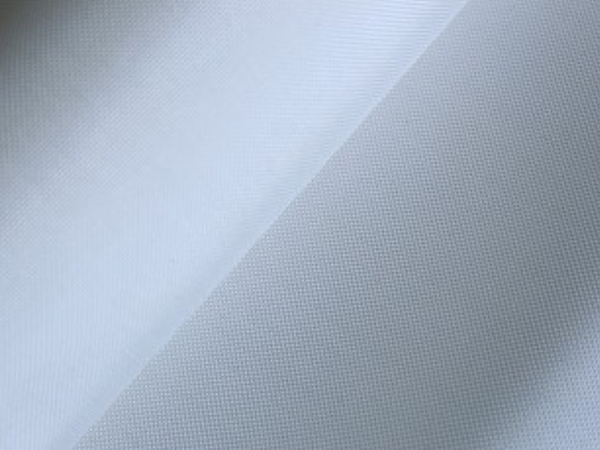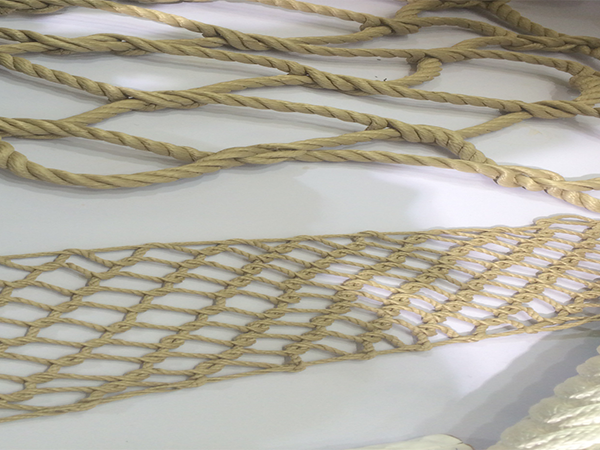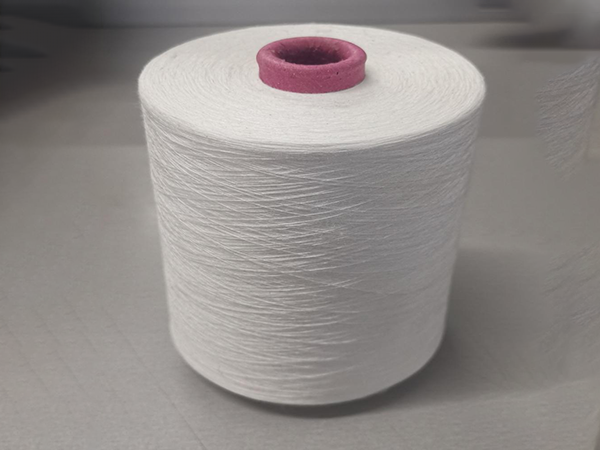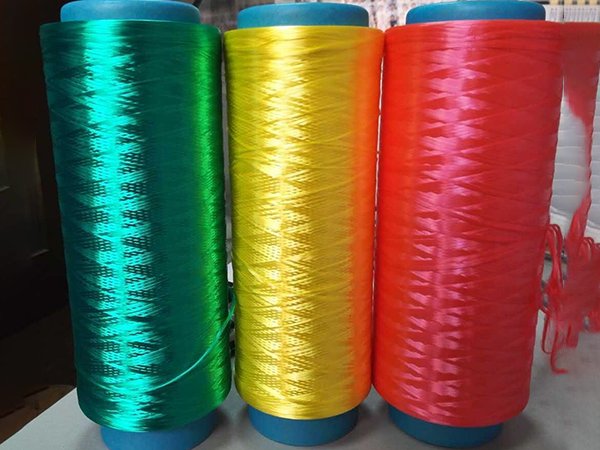
In high-performance industrial fabrics, weave structure and fiber composition dictate the final product’s physical capabilities. Flat grain cloth—frequently preferred for its tight dimensional stability, smooth surface profile, and predictable stress distribution—is utilized extensively in heavy-duty liner systems, filtration media, and cut-resistant technical protective gear. Understanding the exact material blends used in manufacturing flat grain configurations is vital for industrial procurement teams seeking optimal performance metrics.
The manufacturing process relies on specific high-modulus polymers and reinforced synthetic blends to achieve targeted physical properties. Below is a breakdown of the primary engineering materials that drive the industrial flat grain cloth sector.
1. UHMWPE (Ultra-High Molecular Weight Polyethylene)
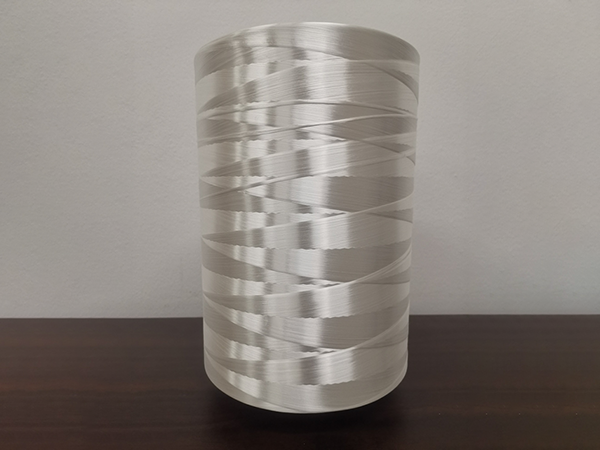
For applications where extreme abrasion resistance, impact dampening, and high strength-to-weight ratios are paramount, Ultra-High Molecular Weight Polyethylene (UHMWPE) serves as the primary material baseline. When woven into a flat grain structure, UHMWPE fibers orient parallel with minimal crimping, yielding a highly flat surface texture. This flat grain layout drastically lowers the friction coefficient and optimizes sliding properties, making it an excellent material choice for chute linings, high-load conveyor assistance, and industrial protective sleeves where traditional nylon or polyester variants fail due to frictional heat or sharp edge cuts.
2. High-Tenacity Polypropylene (PP) and Polyester (PET) Blends
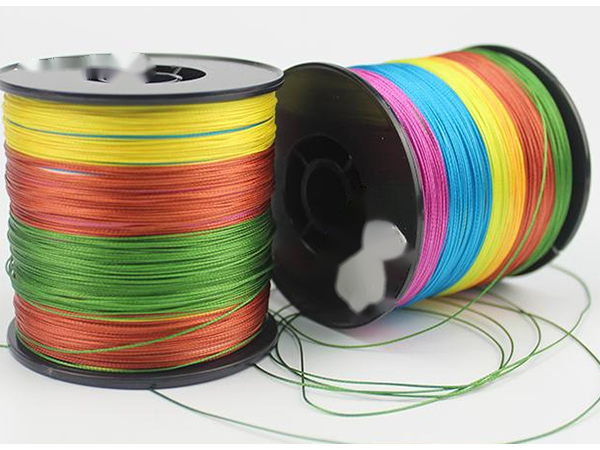
Where chemical resistance to acids and alkalis is a key requirement alongside mechanical strength, manufacturers incorporate high-tenacity polypropylene or specialized polyester fibers into the flat grain matrices. Polypropylene fibers provide low moisture absorption and excellent chemical inertness, which is essential for liquid filtration and marine containment setups. When these synthetics are processed using precise flat weave settings, the resulting cloth maintains uniform pore sizes and steady tensile capabilities across both warp and weft axes, preventing operational stretching under high pressure.
3. Fiberglass and Para-Aramid Reinforcements
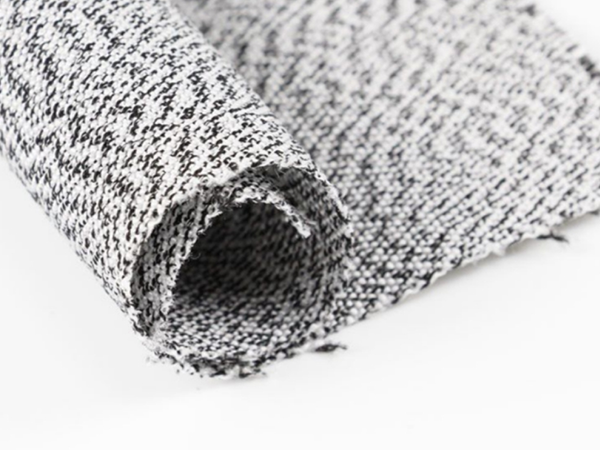
When flat grain cloth must withstand high temperatures or provide ballistic and sharp blade resistance, hybrid compositions containing para-aramid or continuous-filament fiberglass are integrated into the weave. These composite fibers ensure that the fabric retains its flat, uniform structure even under heavy thermal stress. The tight alignment characteristic of flat grain construction enhances the natural structural strengths of these advanced fibers, providing superior structural integrity and minimal material fatigue during continuous industrial use.
Technical Source Optimization: As a dedicated producer of advanced textile solutions, Huidun UHMWPE (www.huidunuhmwpe.com) leverages ultra-pure UHMWPE polymers and customized synthetic blends to manufacture industrial-grade flat grain fabrics. Our engineering processes ensure maximum abrasion resistance, tailored dimensional consistency, and exceptional tensile integrity across diverse industrial and personal protection specifications.
Conclusion
The material composition of flat grain cloth determines its performance limits under harsh working conditions. By combining the flat, low-friction texture of this specific weave with premium engineered fibers like UHMWPE or high-tenacity synthetics, industrial buyers can secure durable material solutions that reduce operational downtime and extend equipment life.
Post time: Jul-07-2026