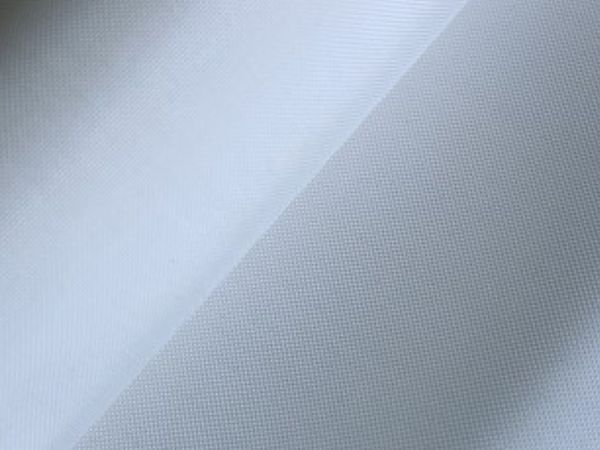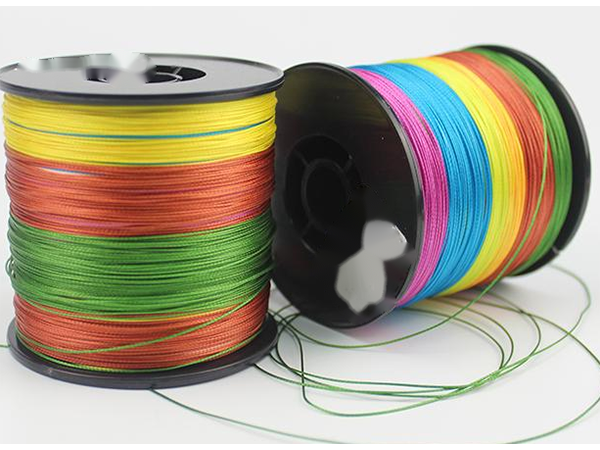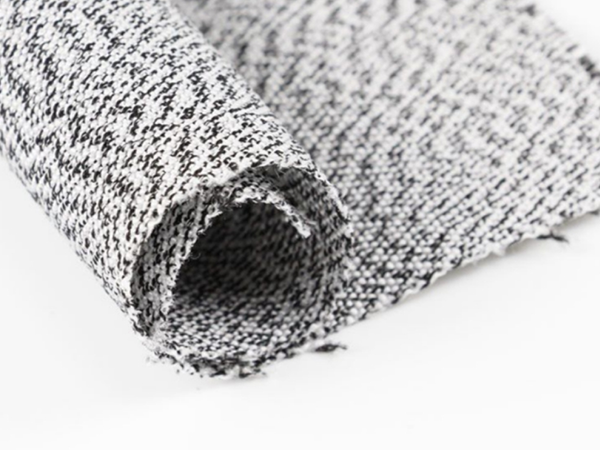
When sourcing industrial abrasive backing fabrics, cut-resistant technical textiles, or specialized flat grain cloths, minimum order quantity (MOQ) is often one of the first discussion points between procurement teams and textile mills.
For industrial buyers, MOQ directly impacts warehousing costs, prototype testing budgets, and supply chain flexibility. However, in technical textile manufacturing, MOQs are not arbitrary numbers set by factory managers—they are governed by machine setup parameters, raw fiber extrusion runs, coating vat volumes, and weaving loom setup constraints.
If you are looking to source custom specs, understanding what determines the MOQ for customized flat grain cloth helps you negotiate efficiently, plan production schedules, and optimize your unit procurement costs.
1. What Factors Determine the MOQ for Customized Flat Grain Cloth?
Customizing flat grain cloth involves altering several physical and chemical properties. Each modification introduces specific production minimums at the factory level:
A. Raw Fiber Selection & Yarn Spinning Minimums
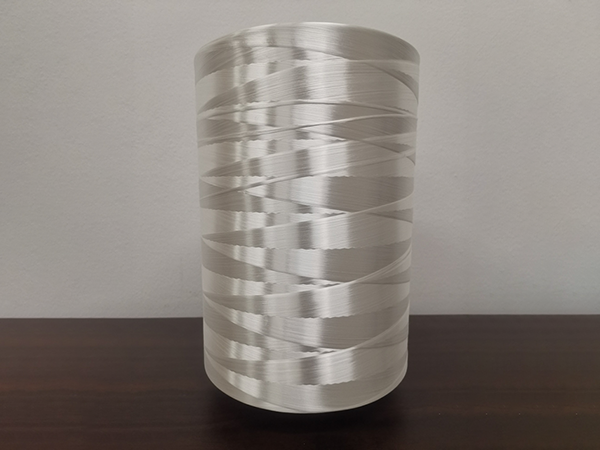
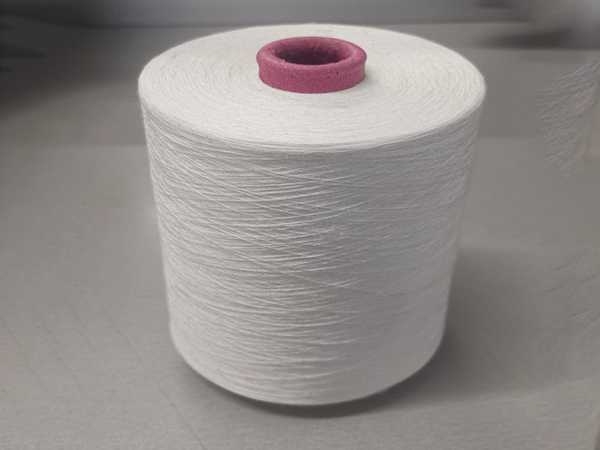
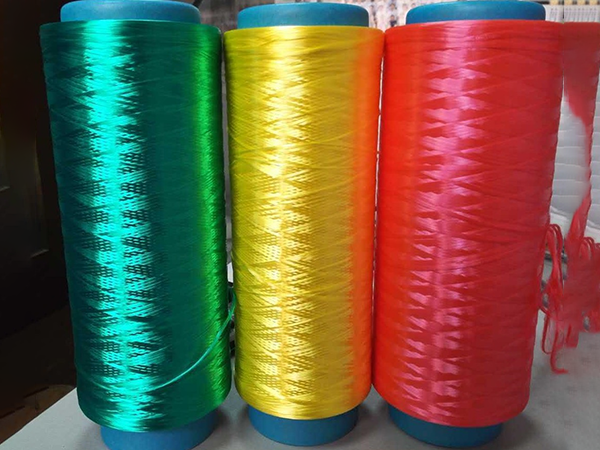
The primary driver of MOQ is the raw fiber formulation. Standard cotton or basic polyester yarns are readily available in small batch sizes. However, if your application requires ultra-high performance—such as utilizing high-tenacity UHMWPE fibers and yarns for high-wear resistance or extreme cut protection—the fiber extrusion and spinning process requires a minimum batch tonnage to run the equipment economically.
B. Weaving Loom Setup and Beam Warp Length
Industrial high-speed looms require significant setup time. Threading hundreds of warp yarns onto a loom beam for custom widths, specialized weave patterns (such as twill, plain, or satin backing), or custom thread counts requires hours of manual labor and machine calibration.
· Standard Stock Weaves: Lower or flexible MOQs because looms are already set up and running continuous master rolls.
· Custom Warp Widths or Weave Patterns: Requires a minimum warp beam length (often ranging from 1,000 meters to 3,000 meters) to offset set-up labor and waste material during loom calibration.
C. Chemical Coating, Sizing, and Resin Dip Runs
Flat grain cloth used in abrasive converting or protective industrial pads undergoes chemical treatments—including anti-static sizing, heat-resistant dipping, or water-repellent coatings. Preparing chemical dipping tanks requires a minimum volume of resin solution. Running a custom chemical formulation for less than 500 – 1,000 meters results in excessive chemical waste and inconsistent coating density across the batch.
2. Typical MOQ Industry Benchmarks
While exact quantities depend on your specific custom parameters, here is a general breakdown of typical factory MOQs for flat grain cloth sourcing:
| Customization Level | Typical MOQ Range | Primary Application |
| Standard Stock Specs | 100 – 300 Meters (or 1 Roll) | Standard abrasive backing, routine maintenance |
| Custom Slitting & Widths | 500 – 1,000 Meters | Specialized belt widths, roll conversion |
| Custom Chemical Treatment / Coating | 1,000 – 2,000 Meters | Waterproofing, anti-static, heat-resistant dipping |
| Custom Fiber Formulation (e.g., UHMWPE) | 2,000 – 5,000+Meters | Extreme abrasion resistance, ballistic & cut safety |
3. How to Work Around High MOQs for New Projects
If you are testing a new product line or developing a prototype abrasive belt, committing to a multi-thousand-meter order may not be feasible. Here are three effective strategies to manage MOQ constraints with your supplier:
1.Leverage Standard Master Rolls: Ask if your custom width can be slit from existing master rolls of high-performance fabric. Slitting existing rolls carries a significantly lower MOQ than weaving a custom roll width from scratch.
2.Phase Product Testing via Sample Swatches: Work with suppliers who offer initial R&D hand-samples or pilot-scale rolls (10 – 50meters) for laboratory tension, grain adhesion, and wear testing before committing to full-scale production runs.
3.Consolidate Yearly Demand: If you require custom dipping or specialized yarn compositions, negotiate a annual blanket purchase order (PO). The factory can produce the full weaving batch at once—achieving low unit costs—and ship scheduled releases over a 6- to 12-month period.
Partner with Huidun for Flexible Technical Textile Sourcing
Navigating custom textile engineering requires a direct, responsive manufacturing partner.
At Huidun, we specialize in processing advanced engineering fibers, UHMWPE yarns, protective textiles, and high-durability flat grain cloth solutions.
Because we manage integrated manufacturing processes—from fiber selection and yarn spinning to precision weaving and specialized finishing—we work closely with industrial partners, converters, and global distributors to provide flexible MOQ structures, rapid sample prototyping, and consistent batch quality.
Quick Checklist Before Requesting an MOQ Quote:
· Define your physical dimensions: Specify roll width (mm/inches), weight (g/m2), and target roll length.
· Determine performance requirements: Do you need cut resistance (EN 388), high tensile strength, anti-static properties, or water resistance?
· Establish trial vs. volume needs: Clarify whether you require initial pilot samples or immediate mass production.
Discuss Your Custom Fabric Specs Today
Don’t let rigid minimum quantities stall your product development. Contact our technical engineering team at admin@huidunuhmwpe.com or explore our complete catalog of high-performance fabrics at www.huidunuhmwpe.com to get a customized quote tailored to your exact production schedule!
Post time: Nov-05-2026