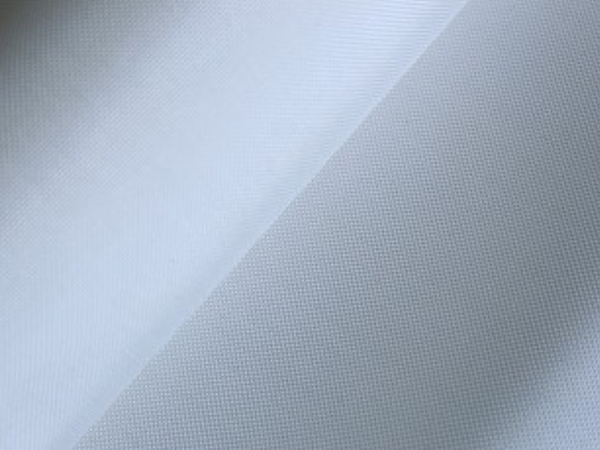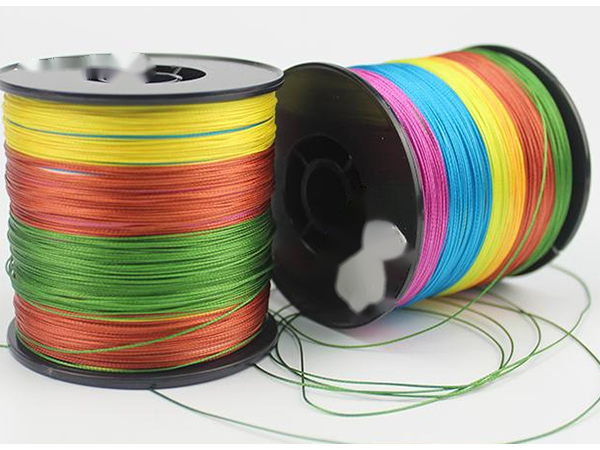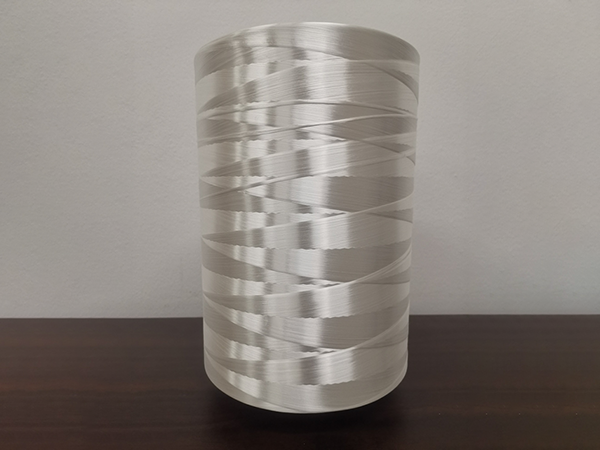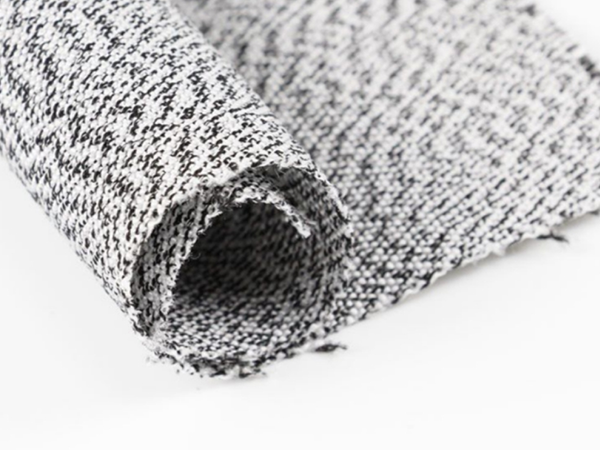
In the global industrial textile industry, fabric structure plays a decisive role in determining mechanical properties, structural integrity, and application limits. Among various weaving methodologies, flat grain cloth (commonly referred to as plain weave fabric) represents the foundational matrix. By adopting a straightforward over-and-under intersecting pattern, this structure provides maximum yarn interlacing points per unit area, resulting in exceptional dimensional stability and uniform tensile strength across both warp and weft directions.
However, when standard flat grain geometry is engineered using ultra-high-molecular-weight polyethylene (UHMWPE) fibers, its performance shifts from conventional commercial textiles to heavy duty industrial defense and reinforcement solutions. At Huidun UHMWPE, we leverage advanced engineering variations of flat grain cloth to meet specific overseas project requirements. Below, we breakdown the primary structural classifications of industrial flat grain fabrics and how their configurations impact real-world performance.
1. Balanced Standard Flat Grain Cloth (1:1 Grid Matrix)
The standard balanced flat grain configuration features an identical count and denier of warp and weft yarns within a given square inch. This symmetrical construction ensures that directional stress is distributed equally across the fabric plane.
• Industrial Application: Exceptional for heavy-duty liner fabrics, basic cut-resistant tarpaulins, and structural backings.
• The UHMWPE Advantage: Utilizing our high-tenacity UHMWPE yarn in a balanced flat weave delivers isotropic abrasion resistance, preventing premature directional tearing under multi-axis friction.
2. Reinforced Ribbed or Basket-Weave Flat Grain Variations
To upgrade high-impact performance without altering the core flat interlacing logic, structural variations such as basket weaves or double-yarn insertions are introduced. By running two or more warp/weft yarns parallel as a single unit, the fabric achieves a distinct structural grain with enhanced tear propagation resistance.
• Industrial Application: Cargo containment nets, premium heavy-duty maritime mooring sleeves, and high-impact ballistic vest shells.
• The UHMWPE Advantage: This structural density increases the energy absorption limits of the cloth, making it highly effective at dispersing ballistic impacts and resisting sharp-object punctures.
3. High-Density Coated Flat Grain Fabrics
For applications where raw fiber exposure is impractical due to environmental hazards, flat grain cloth serves as the high-tensile substrate for polyurethane (PU), PVC, or specialized silicone coatings. The uniform surface profile of the flat grain structure allows for even coating adhesion and prevents delamination under flexible stress.
• Industrial Application: Chemical-resistant protective curtains, deep-sea marine shields, and specialized aerospace equipment covers.
• The UHMWPE Advantage: High-density UHMWPE flat cloth treated with customized coatings seals the material against moisture absorption, UV degradation, and chemical corrosion while retaining its core strength-to-weight ratio.
Why Source Flat Grain UHMWPE Cloth from Huidun?
At Huidun UHMWPE (https://www.huidunuhmwpe.com/), we specialize in the custom engineering of high-performance flat grain fabrics. By optimizing yarn tension, density, and filament quality, we supply international B2B buyers with fabrics engineered for demanding environments. Whether your project demands extreme cut-resistance ratings, high-modulus lightweight bulletproof materials, or rugged industrial conveyor reinforcers, our technical team delivers fully tested, certified high-performance textile solutions.
Post time: Jun-30-2026