When it comes to choosing the right materials for high-performance applications, UHMWPE (Ultra-High Molecular Weight Polyethylene) stands out as one of the most advanced and versatile fibers available. However, there are many other fibers on the market, each with its own set of properties and benefits. Understanding the differences between UHMWPE and other fibers is crucial for making an informed decision about which material is best suited to your specific needs.
At Huidun UHMWPE, we specialize in providing high-quality UHMWPE short fiber products that are used in a variety of industries, from textiles to manufacturing and safety applications. In this blog, we’ll compare UHMWPE with other commonly used fibers, such as aramid, polyester, and nylon, to highlight the unique advantages that UHMWPE offers.
1. What is UHMWPE?
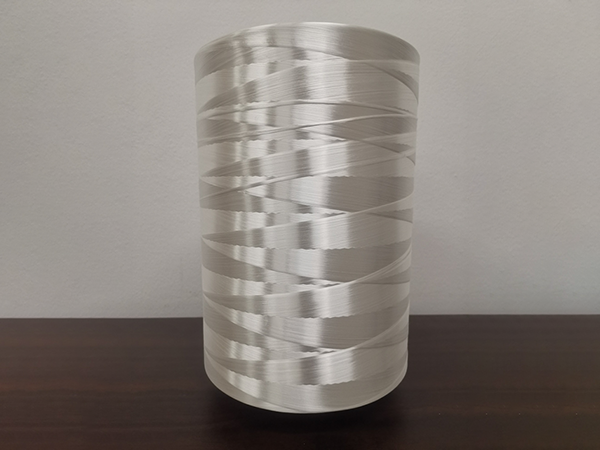
Before comparing UHMWPE with other fibers, let’s briefly define what makes this material so special. Ultra-High Molecular Weight Polyethylene (UHMWPE) is a high-performance polymer known for its remarkable strength, durability, and resistance to wear and tear. With molecular weights of over 5 million g/mol, UHMWPE fibers are among the strongest synthetic fibers available. This allows them to outperform other materials in many demanding applications.
2. Strength and Durability: UHMWPE vs. Aramid (e.g., Kevlar)
One of the most common materials compared to UHMWPE is aramid fiber, such as Kevlar, which is widely known for its use in bulletproof vests and other high-performance applications. Both UHMWPE and aramid fibers are exceptionally strong, but there are key differences in their performance.
- Strength-to-weight ratio: UHMWPE fibers are typically stronger than aramid fibers when compared by weight. This means UHMWPE provides superior strength at a lighter weight, making it ideal for applications that require lightweight yet durable materials, such as safety equipment, ropes, and high-performance textiles.
- Abrasion resistance: UHMWPE outperforms aramid fibers in terms of abrasion resistance. This is particularly important in environments where friction and wear are a concern, such as in marine ropes or conveyor belts. UHMWPE fibers maintain their integrity much longer than aramid fibers in harsh conditions.
- Moisture resistance: While aramid fibers are susceptible to degradation when exposed to moisture and humidity, UHMWPE fibers are highly resistant to water absorption. This makes UHMWPE an excellent choice for outdoor and marine applications where moisture is a constant factor.
3. Weight and Flexibility: UHMWPE vs. Polyester
When comparing UHMWPE with polyester, the differences are more about flexibility, weight, and performance under stress.
- Weight: UHMWPE fibers are much lighter than polyester, making them an ideal choice when weight is a critical factor. The high strength-to-weight ratio of UHMWPE allows it to outperform polyester in demanding applications without adding unnecessary weight.
- Flexibility: Polyester is more flexible than UHMWPE, but this can sometimes be a disadvantage. UHMWPE’s rigidity and strength make it more suitable for applications that require high tensile strength, such as safety ropes or load-bearing textiles.
- Durability: While polyester fibers are resistant to environmental degradation, they don’t match the wear resistance of UHMWPE. Polyester fibers can wear down more quickly when exposed to friction, making UHMWPE a better choice for long-term durability, especially in high-stress environments like heavy-duty industrial settings.
4. Heat Resistance: UHMWPE vs. Nylon
Nylon is another commonly used fiber, known for its strength and elasticity. While nylon performs well in many applications, it does not compare to UHMWPE in terms of heat resistance and long-term stability.
- Heat resistance: Nylon has a relatively low melting point compared to UHMWPE. UHMWPE fibers can withstand higher temperatures without losing their structural integrity, making them better suited for high-heat environments.
- Elasticity and Stretch: Nylon has a higher degree of elasticity, which can be beneficial in some applications. However, UHMWPE’s low stretch under tension is an advantage in applications requiring rigidity and minimal deformation, such as load-bearing cables and high-strength fabrics.
- Chemical resistance: UHMWPE offers superior resistance to a wide range of chemicals, including acids and alkalis. Nylon, on the other hand, is more vulnerable to chemical attacks, making UHMWPE a better option for industrial applications where exposure to harsh chemicals is likely.
5. Eco-Friendliness: UHMWPE vs. Other Fibers
With growing concern for the environment, many industries are now seeking more sustainable materials. When compared to fibers like nylon or polyester, UHMWPE holds a notable advantage in terms of its environmental impact.
- Recyclability: UHMWPE is recyclable, making it an eco-friendly option compared to materials like polyester or nylon, which are often difficult to recycle and contribute to environmental pollution.
- Longevity: The durability of UHMWPE also contributes to its eco-friendliness. Because UHMWPE products last longer and maintain their strength even under extreme conditions, fewer replacements are required, leading to reduced waste and environmental impact over time.
6. Applications of UHMWPE: Where It Shines
Due to its superior performance characteristics, UHMWPE is widely used across a variety of industries:
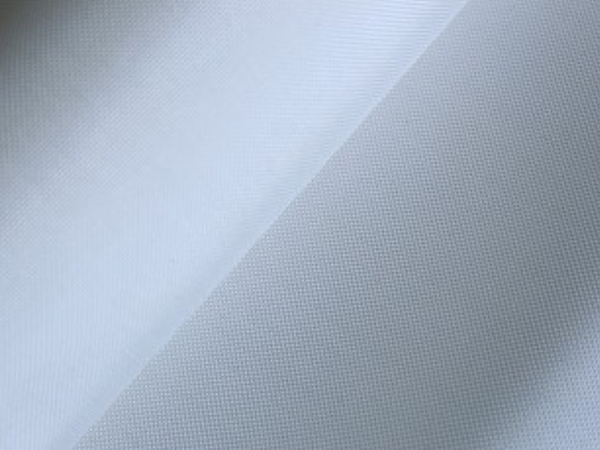
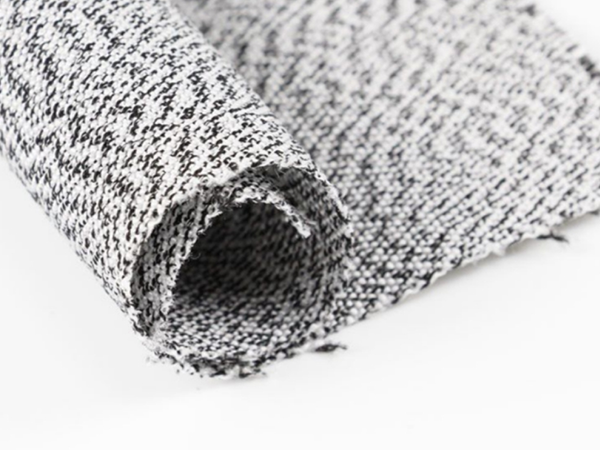
- Textiles: UHMWPE is used in high-performance fabrics, including bulletproof vests, gloves, and other personal protective equipment (PPE).
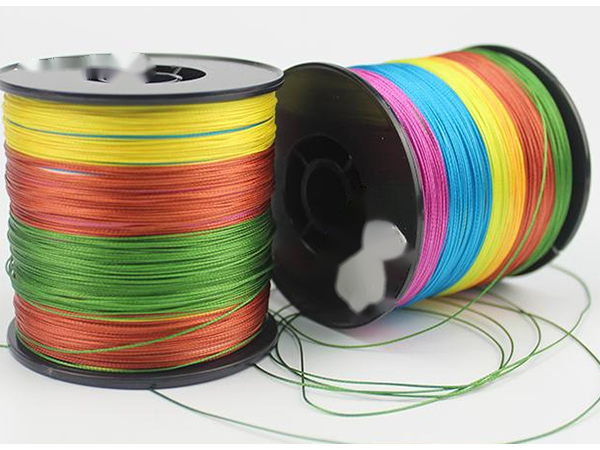
- Rope and Cable: Its high tensile strength and low weight make UHMWPE ideal for ropes, cables, and fishing nets that require high strength and resistance to abrasion.
- Industrial: UHMWPE is used in machinery components, wear plates, and other industrial applications that require durable materials with excellent resistance to wear and chemical exposure.
- Medical: Due to its bio-compatibility and strength, UHMWPE is also used in medical implants and prosthetics.
While there are many different types of fibers available, UHMWPE stands out due to its exceptional strength, durability, abrasion resistance, and lightweight properties. It offers unique advantages over fibers like aramid, polyester, and nylon, making it the preferred choice for a wide range of demanding applications. At Huidun UHMWPE, we offer high-quality UHMWPE short fiber products that can be tailored to meet the specific needs of various industries.
If you’re looking for a material that combines strength, durability, and eco-friendliness, UHMWPE is the clear choice. Explore our product offerings today and discover how UHMWPE can elevate your business’s performance.
Post time: Apr-27-2026