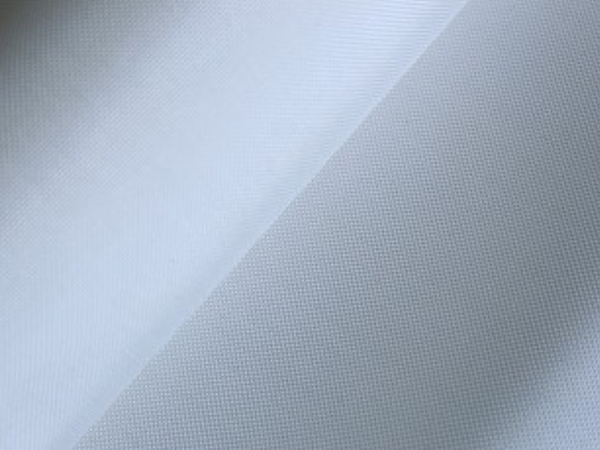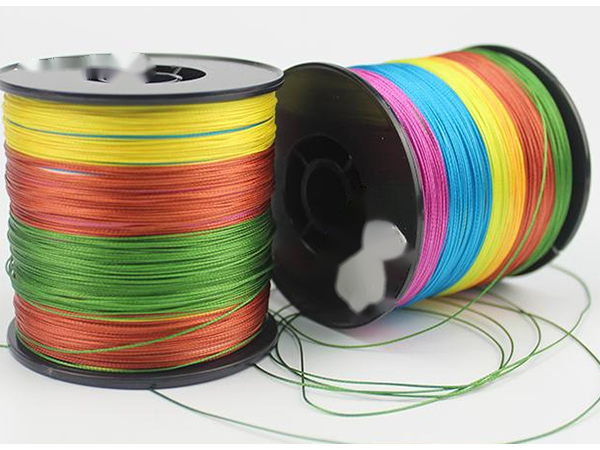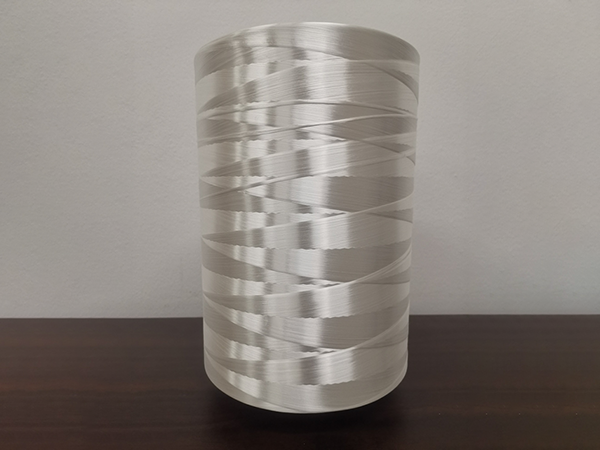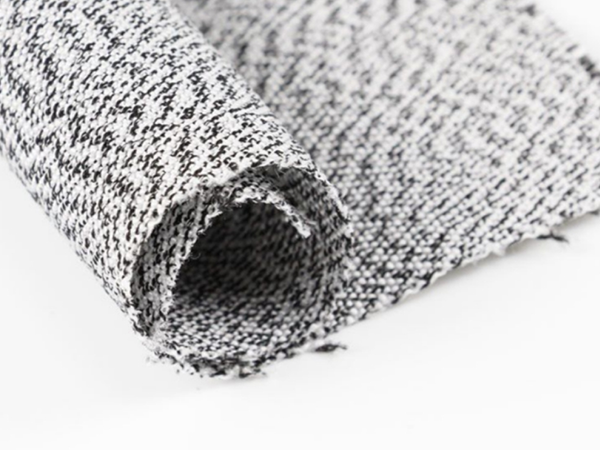
In modern industrial manufacturing, metal fabrication, automotive assembly, and heavy glass processing, hand injuries remain among the most frequent and costly workplace hazards. For decades, safety managers relied on heavy leather, coarse cotton blends, or early-generation aramid synthetics to provide basic protection against sharp edges, metal burrs, and shearing machinery. While these materials offered a baseline of defense, they presented major trade-offs in weight, physical bulk, and manual dexterity.
Today, a structural shift is transforming the personal protective equipment (PPE) industry. The widespread adoption of Ultra-High Molecular Weight Polyethylene (UHMWPE) fiber is rewriting the standards of industrial hand protection. Combining extreme tensile strength with low weight, UHMWPE fiber enables glove manufacturers to produce lightweight, flexible PPE that achieves superior cut resistance without sacrificing wearer comfort or motor control.
This technical analysis explores the material science behind UHMWPE fiber, how it redefines international cut-resistance standards, and why it has become the material of choice for high-tier safety gloves.
The Molecular Blueprint: What Makes UHMWPE Fiber Cut-Resistant?
To understand why UHMWPE fiber provides such high cut resistance, we must examine its molecular architecture. Unlike conventional polyethylene, which features branched, short-chain polymer links, UHMWPE consists of extraordinarily long, unbranched chains of polymerized ethylene. These molecular chains possess a molecular mass ranging between 3.5 and 7.5 million atomic mass units.
During the specialized gel spinning manufacturing process, these massive polymer chains are aligned along the longitudinal axis of the fiber. This high degree of orientation and crystallization creates excellent parallel alignment, allowing external physical stress to distribute evenly across the entire molecular structure. On a weight-for-weight basis, this molecular alignment makes UHMWPE fiber up to 15 times stronger than structural steel and significantly more resistant to abrasion and impact forces than standard aramid fibers.
Mechanics of a Cut Hazard: When a sharp blade or metal edge strikes a glove knitted from UHMWPE fiber, the high longitudinal tensile strength prevents the blade from catching and slicing through the individual filaments. Instead, the slippery, low-friction surface of the polymer allows the sharp edge to glide across the weave, dispersing the mechanical energy across a broad surface area rather than focusing it on a single point of failure.
Redefining Global Standards: ANSI and EN388 Performance Profiles
The industrial safety sector evaluates glove performance based on two primary international testing systems: the North American ANSI/ISEA 105 standard and the European EN 388 framework. Both standards quantify the amount of force required for a mechanical blade to cut through a sample fabric under controlled conditions.
Historically, achieving high ratings (such as ANSI Cut Level A4 through A6, or EN388 Levels D and E) required thick, bulky layers of knit fabric, often reinforced with brittle fiberglass or heavy steel cores. These composite configurations often irritated the skin and caused hand fatigue, leading workers to remove their gloves and increase their risk of injury.
UHMWPE fiber has changed this paradigm. By utilizing high-denier UHMWPE yarns, manufacturers can achieve high ANSI cut ratings with single-layer, high-gauge knits (such as 15-gauge or 18-gauge shells). This delivers several key performance benefits:
Enhanced Tactile Sensitivity: Workers can handle small fasteners, micro-electronics, and high-precision tooling without removing their safety gloves.
Lower Hand Fatigue: The flexibility of UHMWPE allows the glove to conform naturally to the anatomy of the hand, reducing resistance during repetitive gripping motions.
Improved Thermal Comfort: UHMWPE possesses high thermal conductivity, allowing heat from the hand to dissipate quickly. This keeps hands cooler and more comfortable during long shifts compared to heat-trapping synthetics.
Comprehensive Material Comparison: UHMWPE vs. Alternative Fibers
| Performance Metric | UHMWPE Fiber (Huidun) | Para-Aramid Fibers | Standard Nylon / Polyester |
| Tensile Strength (Per Unit Weight) | Extreme (15x stronger than steel) | High (approx. 5x stronger than steel) | Moderate to Low |
| Cut & Slicing Resistance | Superior (Glides and disperses force) | Excellent (High friction catch) | Minimal baseline protection |
| Moisture & Chemical Resistance | Inert; hydrophobic (Maintains wet strength) | Absorbs moisture (Degrades with washing) | Moderate; prone to chemical absorption |
| UV Degradation Resistance | Excellent long-term structural integrity | Poor (Requires UV shielding or breaks down) | Variable; degrades over extended exposure |
| Tactile Comfort & Cooling | High thermal cooling effect; lightweight | Tends to trap heat; relatively stiff | Lightweight but offers minimal cut protection |
Operational Longevity and Cost Efficiency
Beyond its immediate safety benefits, industrial safety managers favor UHMWPE fiber for its long-term cost efficiency. In heavy industrial environments, work gloves are exposed to oils, greases, solvents, and frequent laundering cycles.
Many aramid-based gloves degrade when exposed to moisture and industrial detergents, losing a percentage of their cut-resistant properties with each laundry cycle. In contrast, UHMWPE fiber is chemically inert and completely hydrophobic. It does not absorb water, oils, or chemical cleaning solutions. Gloves made from premium UHMWPE fiber can be laundered repeatedly without shrinking, losing tensile strength, or compromising their ANSI/EN388 cut ratings. This extended operational lifespan reduces the frequency of replacements, lowering overall PPE procurement costs for large industrial enterprises.
Why Choose HUIDUN UHMWPE Fiber Solutions?
As a leading developer of high-performance technical polymers, Huidun UHMWPE (https://www.huidunuhmwpe.com/) manufactures premium industrial-grade UHMWPE fibers engineered for modern safety glove applications. Utilizing advanced gel-spinning technology and rigorous quality management, Huidun produces fibers characterized by consistent denier control, exceptional tensile properties, and excellent weave stability.
Whether you are developing next-generation ultra-thin 18-gauge precision assembly gloves or heavy-duty composite safety wear for steel mills, Huidun provides the raw material foundation necessary to exceed stringent cut-protection standards. Partner with Huidun to elevate your PPE product lines, ensure compliance with global safety regulations, and deliver dependable hand protection for demanding industrial workforces worldwide.
Post time: Jun-09-2026