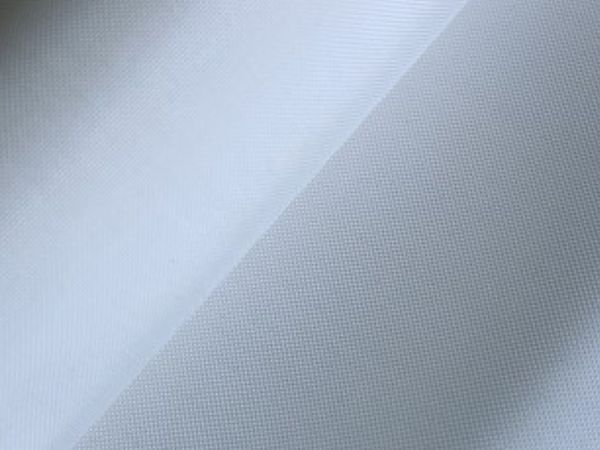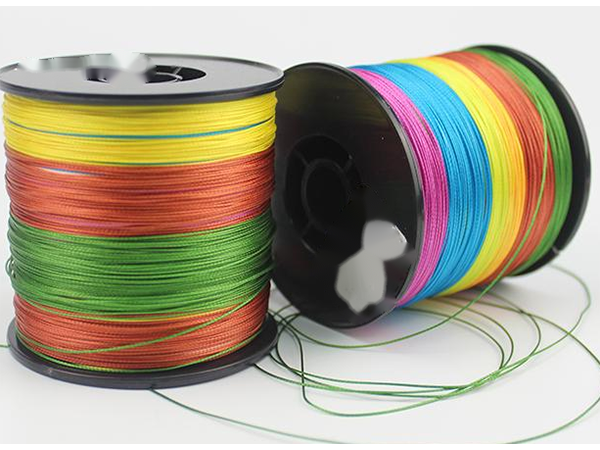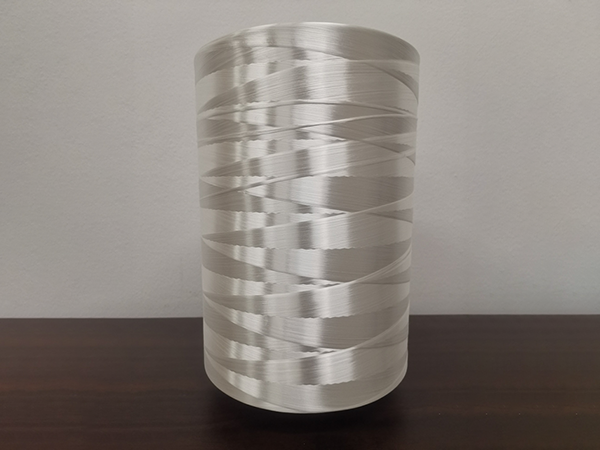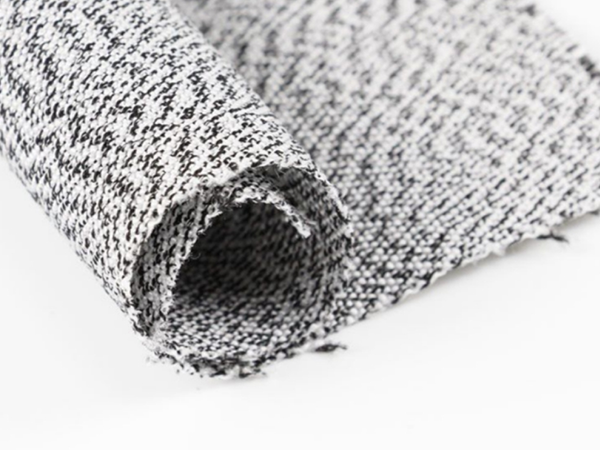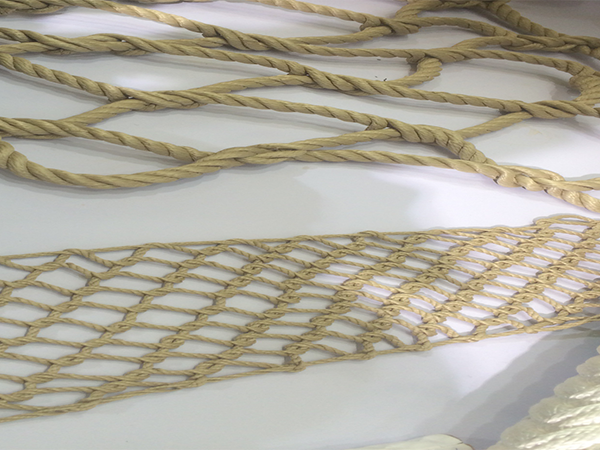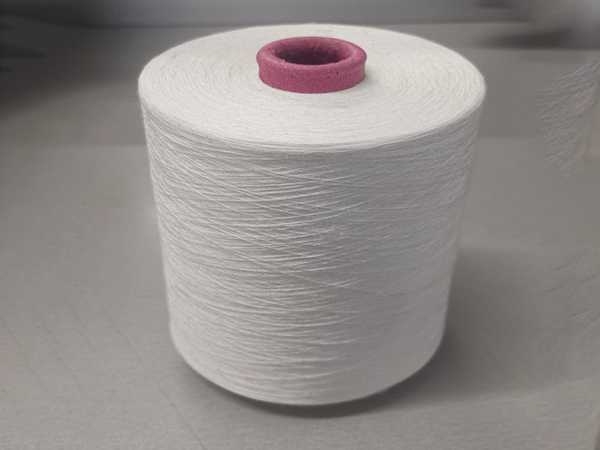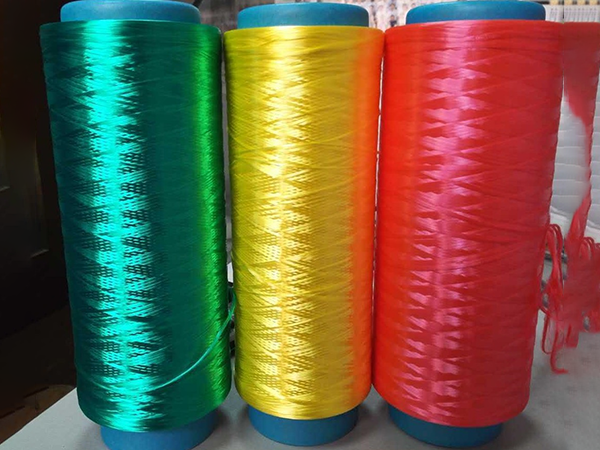
Sourcing high-performance industrial textiles overseas can significantly lower manufacturing costs and provide access to advanced material formulations. Among technical fabrics, flat grain cloth (flat-woven UHMWPE fabric) is in high demand globally for cut-resistant apparel, ballistic protection, marine reinforcements, and heavy-duty industrial linings.
China remains the primary global production hub for ultra-high-molecular-weight polyethylene (UHMWPE) raw materials and finished technical weaves. However, navigating international procurement—from verifying fabric specs to handling customs clearance—requires a structured approach.
Here is a practical guide on how to successfully import flat grain cloth from China while mitigating supply chain risks.
Step 1: Define Precise Technical Specifications
Before contacting Chinese manufacturers or suppliers, you must establish clear technical parameters for your end-use application. Generic inquiries like “flat grain cloth” often lead to misaligned quotes or incorrect material grades.
Specify the following core metrics in your Request for Quotation (RFQ):
· Fiber Denier & Filament Type: e.g., 400D, 800D, or 1600D continuous UHMWPE filament.
· Areal Weight / GSM: Grams per square meter (e.g., 150g/m2 to 600g/m2).
· Weave Pattern & Density: Flat plain weave density (threads per inch/cm in warp and weft).
· Performance Certifications: Specific standards required, such as EN388 cut resistance (Level 3 to Level 5/Cut F) or ANSI cut levels.
· Post-Processing Treatments: Whether you require raw woven fabric, PU/silicone surface coatings, or fire-retardant finishes.
Step 2: Vet and Select Direct Manufacturers vs. Trading Companies
When sourcing specialized UHMWPE fabrics, working directly with an integrated manufacturer offers major advantages over middle-man trading companies:
1.Customization Capability: Direct weaving mills can adjust loom tension, roll width, and density to match your exact structural requirements.
2.Batch Consistency: Primary manufacturers control the raw filament supply, ensuring consistent tensile strength and color uniformity across multi-roll orders.
3.Pricing Transparency: Eliminating distributor markups significantly improves your landed cost per linear meter.
Look for manufacturers like Huidun UHMWPE that maintain dedicated weaving facilities, standardized quality management systems (ISO 9001), and traceable testing protocols.
Step 3: Request A4 Samples and Pre-Production Roll Trials
Never commit to a full container load or large production run without validating physical samples first.
· Stage 1 (Lab Dips / Swatches): Request A4-sized swatches to evaluate hand-feel, weave alignment, and surface coating quality.
· Stage 2 (Sample Roll): For large-scale manufacturing, order a single 5-meter to 10-meter sample roll. Process this trial batch through your cutting, sewing, or laminating machinery to test real-world behavior before mass production.
Step 4: Establish Incoterms and Payment Structure
Negotiate trade terms (Incoterms) that align with your logistics capabilities:
· FOB (Free on Board): The supplier handles inland transport to the Chinese port (e.g., Shanghai, Ningbo, or Qingdao) and export customs. You control freight booking and ocean insurance. This is generally the preferred term for experienced importers.
· CIF (Cost, Insurance, and Freight): The seller covers freight to your destination port. While convenient, destination terminal handling charges (THC) can sometimes carry hidden markups.
Standard Payment Terms:
For custom fabric runs, standard industrial payment terms are 30% T/T deposit upon order confirmation, with the remaining 70% balance paid against the Bill of Lading (B/L) copy following pre-shipment inspection.
Step 5: Implement Pre-Shipment Quality Control (QC)
To prevent receiving non-conforming goods, set up clear inspection checkpoints:
· Visual & Dimensional Checks: Verify roll width, continuous length per roll, edge selvage quality, and ensure there are no broken warp yarns or weave gaps.
· GSM & Tensile Spot Tests: Confirm that the fabric weight per square meter matches the signed specification sheet within an agreed tolerance (typically pm 3%).
· Packaging Standards: Industrial flat grain cloth rolls must be wrapped in moisture-proof plastic film and outer woven bags or kartons to prevent abrasion and water ingress during ocean transit.
Step 6: Customs Clearance and HS Code Classification
Ensure your customs broker uses the correct Harmonized System (HS) Code for flat-woven UHMWPE technical fabrics to prevent customs delays or tariff miscalculations.
· Common HS Heading: Woven fabrics of high-tenacity yarn of nylon or other polyamides/polyesters/polyethylenes generally fall under HS Chapter 5407. Confirm exact sub-headings with your import broker based on your local tariff schedules.
Streamline Your UHMWPE Fabric Sourcing
Importing high-performance flat grain cloth from China doesn’t have to be complex. Partnering with a reliable, export-oriented manufacturer ensures stable quality control, clear technical communication, and competitive factory pricing.
At Huidun UHMWPE, we specialize in manufacturing high-tenacity UHMWPE fiber, flat grain cloth, cut-resistant fabrics, and custom technical textiles for global industrial clients.
To request product samples, technical datasheets, or a direct factory quote for your next import order, visit Huidun UHMWPE.
Post time: Nov-05-2026