When it comes to choosing flat grain cloth, whether for industrial applications, apparel manufacturing, or home textiles, the quality of the fabric plays a significant role in the final product’s durability, appearance, and performance. As a leading manufacturer and supplier of premium fabrics, Huidun UHMPE understands the importance of selecting high-quality materials. But how can you distinguish high-quality flat grain cloth from subpar alternatives?
In this blog, we’ll discuss the key features you should look for to identify top-tier flat grain cloth, helping you make an informed decision for your business or personal needs.
Material Composition: The Foundation of Quality
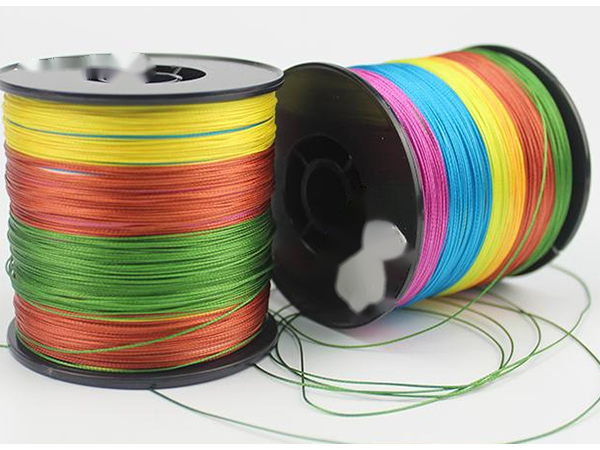
The first thing to consider when evaluating flat grain cloth is its material composition. Flat grain cloth can be made from various fibers, including cotton, polyester, and synthetic blends. Each type of fiber affects the texture, durability, and performance of the fabric.
- Natural Fibers (Cotton, Linen): These fibers are soft, breathable, and comfortable, making them ideal for clothing and home textiles. They tend to be less durable than synthetic fibers, but they have a natural feel that many consumers prefer.
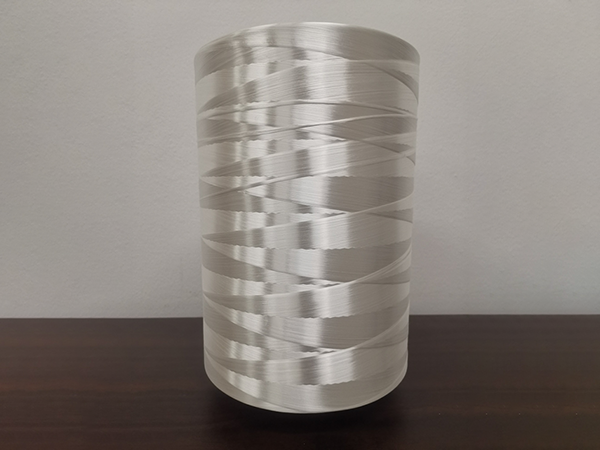
- Synthetic Fibers (Polyester, Nylon, UHMPE): Synthetic fibers like Ultra-High-Molecular-Weight Polyethylene (UHMPE) offer superior strength and durability. They are resistant to wear, tear, and abrasion, which makes them ideal for industrial applications or any use requiring strength and long-lasting performance.
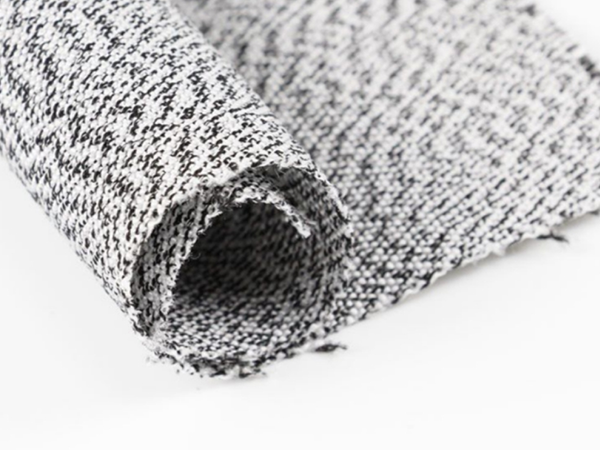
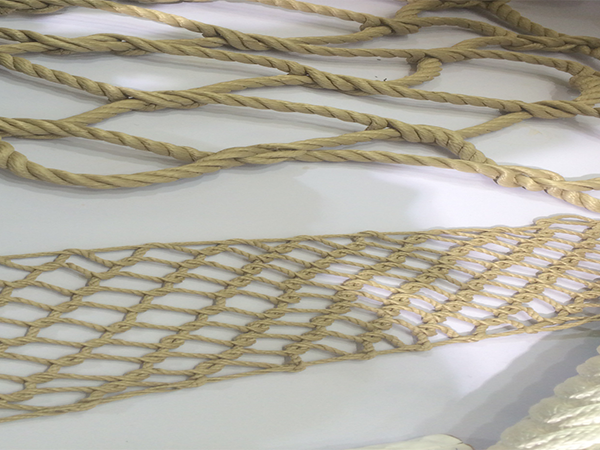
At Huidun UHMPE, we specialize in advanced materials like UHMPE, which is known for its incredibly high strength-to-weight ratio. UHMPE fabrics are often used in high-performance applications such as ballistic protection, high-strength ropes, and cut-resistant fabrics. When you choose flat grain cloth, knowing the material used is the first step in determining quality.
Weave and Grain Structure: The Key to Durability
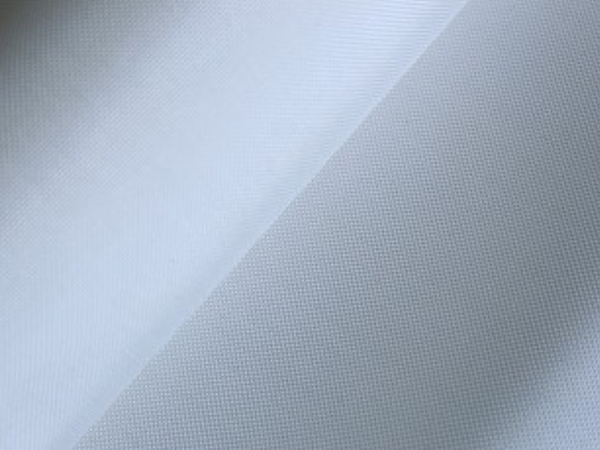
The weave of the fabric is another critical factor in determining quality. Flat grain cloth typically refers to fabric that has a uniform, smooth surface, which is created through a basic weave pattern where the threads run parallel to one another.
- Tight Weave: High-quality flat grain cloth should have a tight, even weave. The tighter the weave, the more durable the fabric will be. Tight weaves resist tearing and damage from external factors such as abrasion or weather. Additionally, tight weaves prevent the fabric from stretching or warping, which is especially important for industrial uses.
- Loose Weave: If the weave is too loose or uneven, the fabric may wear out quickly, lose shape, or become damaged easily. The surface may also appear rough or uneven.
When inspecting flat grain cloth, pay attention to the weave’s density. A well-made fabric should feel smooth and uniform to the touch, without visible gaps between threads. At Huidun UHMPE, our fabrics are meticulously woven for maximum strength and resistance.
Weight and Thickness: Balancing Strength with Flexibility
The weight and thickness of flat grain cloth are important indicators of quality, as they affect the fabric’s durability and functionality. Generally, the weight of fabric is measured in grams per square meter (gsm), and thicker fabrics are usually stronger but may lack flexibility.
- Heavier Fabrics: These are typically stronger and more durable, suitable for applications like industrial use, furniture upholstery, or outdoor gear. However, they may lack the flexibility needed for clothing or lighter applications.
- Lighter Fabrics: These are more flexible and suitable for clothing or products that require more fluidity and comfort. While they are not as durable as heavier fabrics, high-quality lightweight flat grain cloth should still offer good strength, resistance to tearing, and an even surface.
When selecting flat grain cloth, it’s crucial to understand your specific needs. A good balance between weight, strength, and flexibility ensures that you get a product that performs well in its intended application.
Finish and Surface Treatment: Enhancing Performance
The finish of flat grain cloth refers to any treatments applied to the fabric to enhance its properties, such as water resistance, UV protection, or flame retardancy. High-quality flat grain cloth often undergoes special treatments to improve its performance and longevity.
- Water Repellent Finish: Fabrics that are treated to resist water will provide better performance in outdoor or industrial applications. This treatment helps prevent the fabric from absorbing moisture, which can cause degradation over time.
- UV Protection: Flat grain cloth used in outdoor environments may have a UV-resistant finish to protect it from the sun’s harmful rays. This finish can prevent the fabric from fading, cracking, or weakening under prolonged exposure to sunlight.
- Flame Retardant Coating: For industrial uses or any application where fire safety is a concern, a flame retardant coating is essential. High-quality flat grain cloth may be treated to resist ignition and slow the spread of flames.
At Huidun UHMPE, we offer premium fabrics that include advanced finishes, such as UV protection and waterproofing, to ensure that our flat grain cloth performs exceptionally in challenging environments.
Color Fastness and Aesthetic Quality
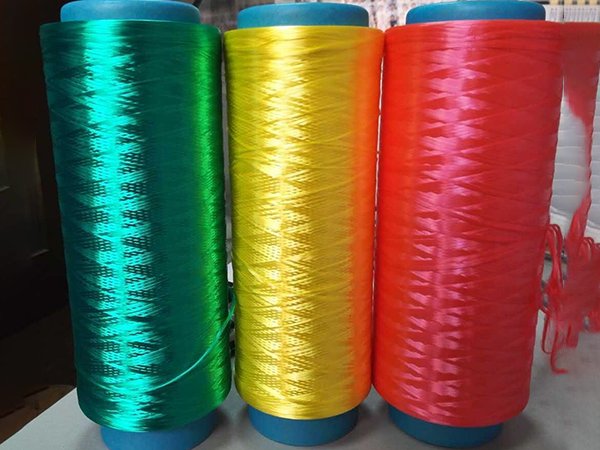
The color of the fabric is not only a matter of visual appeal but also a measure of quality. High-quality flat grain cloth should retain its color over time, even after multiple washes or prolonged exposure to sunlight.
- Color Fastness: When evaluating fabric, check for color fastness. High-quality flat grain cloth should resist fading, even after extensive use or washing. This is particularly important for products like clothing, home textiles, or flags that will be exposed to various conditions.
- Aesthetic Appeal: The visual appearance of the fabric should be smooth and consistent, with no blemishes, uneven dyeing, or imperfections. The fabric should feel soft and maintain its appearance even after prolonged use.
At Huidun UHMPE, we ensure that all our fabrics maintain their color and visual appeal, even under the toughest conditions, thanks to our high-quality dyeing and finishing processes.
Certifications and Quality Standards
Finally, a reliable flat grain cloth exporter will adhere to industry standards and certifications, which help guarantee the fabric’s quality. Certifications like ISO 9001, OEKO-TEX Standard 100, or CE Certification are indicators that the manufacturer follows strict quality control procedures and uses safe, environmentally-friendly processes.
Huidun UHMPE is committed to delivering high-quality fabrics that meet international standards. We provide full transparency regarding the sourcing, production, and testing processes to ensure that you receive the best possible product.
Identifying high-quality flat grain cloth involves understanding the material, weave, finish, and overall construction of the fabric. Whether you’re purchasing fabric for industrial use, apparel, or home textiles, focusing on these key features will help you choose a product that meets your needs for durability, functionality, and aesthetics.
At Huidun UHMPE, we specialize in providing premium fabrics with unmatched strength, flexibility, and performance. If you’re looking for reliable, high-quality flat grain cloth, browse our collection today and experience the difference in quality and craftsmanship.
Post time: Apr-22-2026