Material science underpins modern industrial engineering. When heavy industries encounter operational bottlenecks caused by mechanical fatigue, chemical corrosion, or weight penalties, standard metals and standard engineering plastics often fall short. Over the past decade, one structural material has shifted from specialized niche applications to full industrial mainstreaming: Ultra-High Molecular Weight Polyethylene (UHMWPE).
With an engineered molecular mass ranging between 3.5 to 7.5 million grams per mole, UHMWPE possesses an incredibly long, parallel molecular chain configuration. This unique chemical structure delivers an exceptional combination of impact toughness, wear resistance, and a low friction coefficient. As global supply networks seek higher durability and optimized lifecycles, advanced manufacturers like HUIDUN UHMWPE are supplying high-grade polymer variants to replace heavy, high-maintenance steel assemblies. Below, we look into the five game-changing industrial use cases where UHMWPE continues to transform system performance.
1. Ballistic Armor and Personal Tactical Protection
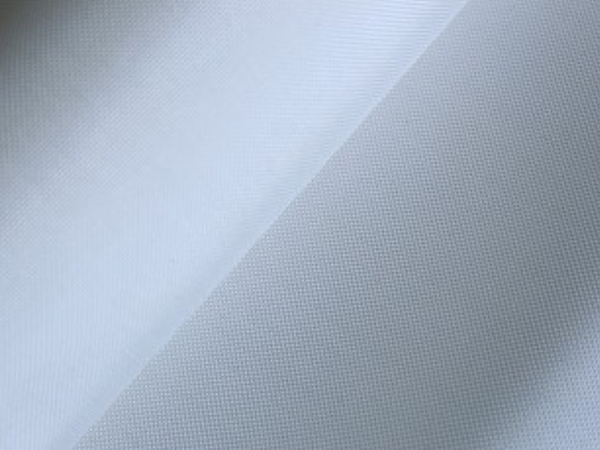
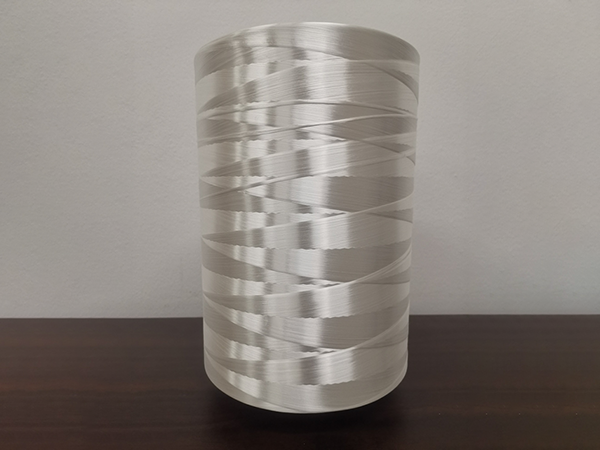
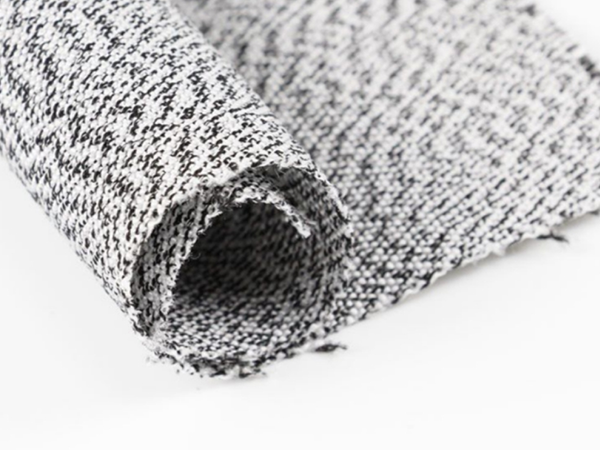
In aerospace, defense, and tactical security, armor design focuses on achieving maximum energy absorption with minimal weight. Historically, heavy ceramic tiles and steel plates dominated armor solutions, creating significant physical strain for personnel and vehicles alike. Today, specialized UHMWPE fiber sheets are a primary component in modern soft body armor, ballistic helmets, and hard vehicle armor inserts.
When a high-velocity projectile strikes an UHMWPE barrier, the impact energy is transferred rapidly along the extended, linear polymer chains. The material deforms plastically, catching the projectile and spreading the localized stress across a wider surface area. This mechanism provides exceptional multi-hit protection and energy dissipation. Because the density of UHMWPE is less than water (approximately 0.97 g/cm³), personal armor systems incorporating these fibers reduce physical fatigue for tactical personnel while maintaining excellent resistance against moisture, UV radiation, and sweat-induced degradation.
2. Deep-Sea Mooring Lines and Heavy Marine Rigging
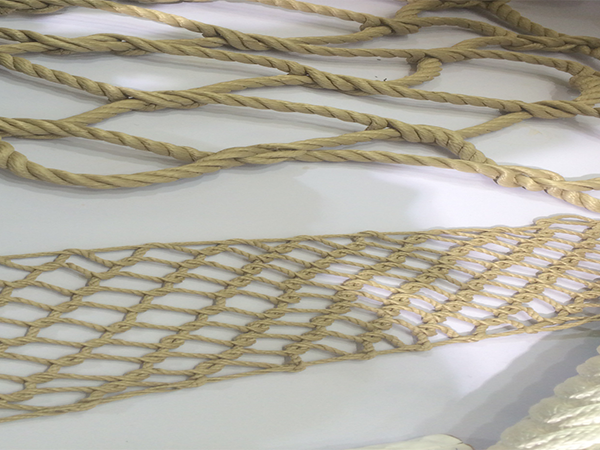
Marine environments impose harsh conditions on mooring components. Deep-sea oil platforms, offshore wind arrays, and commercial maritime vessels demand rigging solutions that endure continuous cyclic loading, extreme hydrostatic pressures, and aggressive salt-water exposure. Traditional steel wire ropes, while strong, suffer from rapid corrosion, salt buildup, and extreme mass penalties that complicate deep-water deployments.
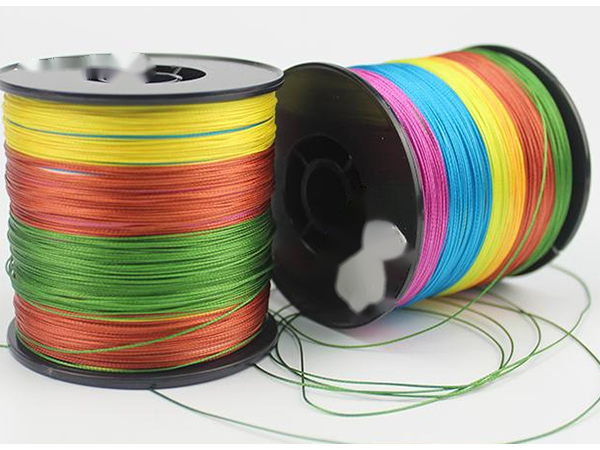
UHMWPE ropes offer a compelling technical upgrade. On a weight-for-weight comparison, premium UHMWPE fibers deliver up to 15 times the tensile strength of steel wire. When substituted into deep-sea mooring systems, the reduction in rope weight lowers the deck load on offshore vessels and simplifies deployment logistics. Furthermore, UHMWPE possesses zero moisture absorption and maintains full structural integrity when completely submerged, eliminating internal rust formation and the need for hazardous lubricants.
| Property Characteristic | Standard Steel Wire Rope | High-Grade UHMWPE Fiber (HUIDUN) |
| Tensile Strength per Unit Weight | Baseline (1x) | Up to 15x higher than steel |
| Density (g/cm³) | ~7.85 (Sinks rapidly) | ~0.97 (Floats on water) |
| Corrosion & Acid Resistance | High vulnerability; requires grease | Inert to saltwater, acids, and alkalies |
| Flex Fatigue Lifespan | Moderate; prone to strand kinking | Excellent; highly flexible under cyclic bending |
3. Industrial Chute Liners and Material Handling Systems
In mining, aggregate processing, and heavy bulk material transport, conveyor transfers and discharge chutes face continuous friction and impact abrasion. Coals, iron ores, and granite sands can quickly wear down standard carbon steel plates, leading to structural breach, material clogging, and costly system downtime.
Integrating UHMWPE wear plates as internal liners addresses these wear challenges. The material’s ultra-low coefficient of friction prevents cohesive bulk media from sticking to chute walls, maintaining high throughput even when handling damp or sticky materials. Thanks to its superior sliding abrasion resistance, an UHMWPE liner consistently outlasts hardened steel plates in high-wear bulk handling environments. This upgrade reduces maintenance interventions and dampens operational noise across processing facilities.
Application Insight: HUIDUN UHMWPE specializes in compounding specific wear-resistant sheet grades tailored for heavy material handling. By incorporating custom additives, these sheets minimize static buildup and structural wear, keeping processing operations running smoothly.
4. Orthopedic Implants and Medical Articulation Bearings
The medical device sector demands strict biocompatibility, chemical inertness, and wear resistance. For over three decades, UHMWPE has served as the gold standard for articulating surface components in total joint replacements, specifically within total hip and knee arthroplasty procedures.
Inside an artificial joint, the UHMWPE component acts as the synthetic cartilage layer, sliding against metallic or ceramic femoral heads. Because the human body presents an aggressive environment prone to enzymatic action and oxidative stress, the polymer must resist mechanical deformation and minimize the release of microscopic wear debris. Advanced processing methods—such as precise gamma-irradiation cross-linking followed by thermal stabilization—maximize the long-term wear resistance of the polymer matrix. This allows implants to remain fully functional within patients for twenty years or more without causing adverse biological reactions.
5. Port Fendering Systems and Maritime Dock Protection
When massive container ships and commercial vessels berth alongside concrete berths, the kinetic energy involved can cause structural damage to both the vessel hull and the dock infrastructure. Port fendering systems must absorb these high compressive forces while allowing the ship’s hull to slide smoothly along the dock face during tidal changes.
UHMWPE frontal pads are a critical component of modern marine fender assemblies. Mounted directly to the large steel panels of rubber cone fenders, UHMWPE faces provide a smooth, low-friction contact surface for arriving ships. This prevents hull paint scraping and minimizes stress on the underlying dock structure. Unlike timber or nylon variants, UHMWPE pads resist marine borer infestations, do not split under sub-zero temperatures, and are fully stabilized against UV degradation, ensuring decades of reliable service along coastal environments.
The Engineering Takeaway
From the depths of sub-sea energy extraction to personal tactical gear, UHMWPE addresses engineering challenges where high weight, corrosion, and friction compromise operational safety. Selecting the correct molecular density, processing profile, and sheet geometry is essential to maximizing these material advantages in the field.
Partner with HUIDUN UHMWPE for Advanced Engineering Solutions
Whether you are designing critical deep-sea rigging systems, specifying high-durability conveyor chute liners, or building custom material handling components, selecting the right polymer grade determines your long-term operational success. HUIDUN UHMWPE delivers premier, industrially tested ultra-high molecular weight polyethylene products manufactured to rigid tolerances. Discover our complete product catalog and speak with our technical engineering consultants today by visiting www.huidunuhmwpe.com.
Post time: Jun-02-2026