When selecting flexible substrates for severe surface finishing, mechanical grinding, or protective abrasion layers, plant engineers and technical buyers frequently evaluate two dominant structural backing choices: flat grain cloth (woven industrial fabric backing) and abrasive paper (reinforced paper backing). While both materials hold long-standing positions across manufacturing workshops, choosing the wrong substrate leads directly to premature tear-outs, thermal degradation, and excessive downtime.
Determining which option is “better” depends strictly on working pressure, environmental exposure, structural flexibility, and required tensile durability. Below is an engineering-focused comparison to help you match the backing matrix to your operational demands.
1. Core Structural Differences
The primary distinction between flat grain cloth and abrasive paper lies in backing construction and structural fiber arrangement:
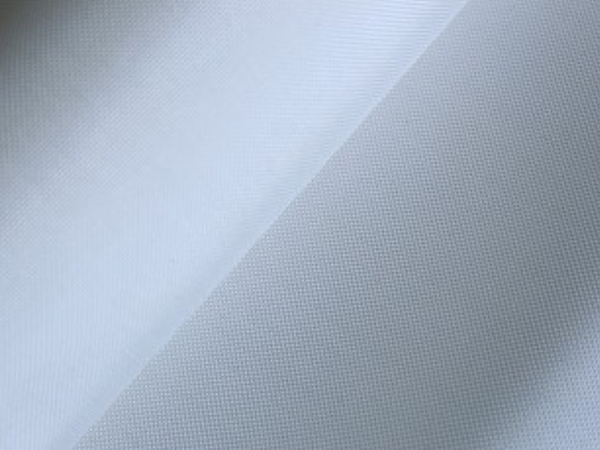
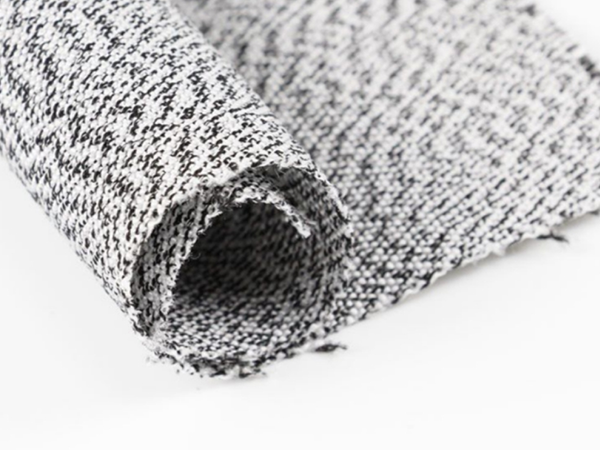
· Flat Grain Cloth Backing: Constructed from tightly woven synthetic or natural yarns (such as heavy-duty cotton, polyester, or UHMWPE-blended structural weaves). The flat, uniform weave architecture provides exceptional multi-directional tensile strength, high tear resistance, and mechanical resilience under heavy friction.
· Abrasive Paper Backing: Formed from wood pulp cellulose fibers bonded with synthetic resins (ranging from lightweight A-weight paper up to heavy waterproof F-weight paper). Paper offers an extraordinarily smooth backing profile and consistent grit distribution, but lacks dynamic shear resistance.
2. Head-to-Head Performance Comparison
To evaluate performance across actual production environments, consider how both substrates perform against crucial operational metrics:
| Performance Metric | Flat Grain Cloth Substrates | Abrasive Paper Substrates |
| Tensile & Tear Strength | Superior. Resists high-tension pulling, aggressive mechanical belt sanding, and edge tearing. | Moderate to Low. Susceptible to tearing under high tension or sharp corner snagging. |
| Flexibility & Conformability | High. Easily contours around complex geometries, curved molds, and sharp edges without creasing. | Moderate. May crack or crease when sharply folded unless specially treated (latex-impregnated). |
| Moisture & Chemical Resistance | Exceptional. Unaffected by heavy coolant flows, oils, or ambient humidity when paired with synthetic fibers. | Variable. Standard paper degrades when wet; requires specialized waterproof resin treatments. |
| Surface Finish Uniformity | Good. Offers steady removal rates during heavy stock removal and grinding operations. | Excellent. Ultra-flat surface profile delivers uniform contact pressure for fine finishing. |
| Cost & Production Efficiency | Higher initial cost, but significantly longer operational service life reduces replacement cycles. | Lower upfront cost; ideal for disposable, light-duty, or fine-grit hand sanding passes. |
3. When to Choose Flat Grain Cloth Over Abrasive Paper
Flat grain cloth is the unambiguous choice when operations involve high mechanical stress or demanding industrial environments:
A. Heavy Stock Removal and High Power Sanding
When operating automated belt sanders, high-speed rotary tools, or heavy deburring machines, the continuous tension will shred standard paper backings within minutes. Flat grain cloth absorbs shock loads and distributes thermal stresses evenly across its woven structural framework.
B. Complex Contours and Edge Processing
Finishing intricate aerospace components, marine hulls, or curved industrial pipes requires a backing that bends continuously without structural fatigue. The woven lattice of flat grain cloth flexes around complex radii without cracking or dropping mineral grains prematurely.
C. Wet Grinding and Heavy Coolant Exposure
In wet grinding loops where water, oil, or chemical coolants are continuously flushed across the contact zone, cloth backings retain full structural integrity without swelling, delaminating, or losing tensile grip.
4. The HUIDUN Advantage: High-Performance Industrial Fabrics
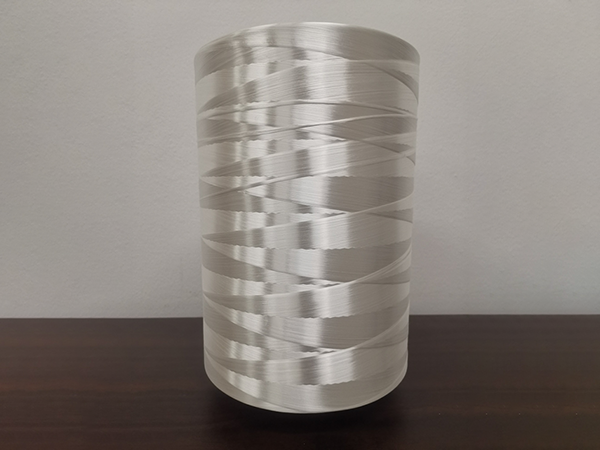
At HUIDUN (www.huidunuhmwpe.com), we specialize in engineering ultra-durable technical textiles and high-strength fiber solutions, including UHMWPE (Ultra-High Molecular Weight Polyethylene) fabrics, aramid structures, and specialized industrial backing materials designed to withstand extreme mechanical wear.
· Why HUIDUN Technical Fabrics Stand Out
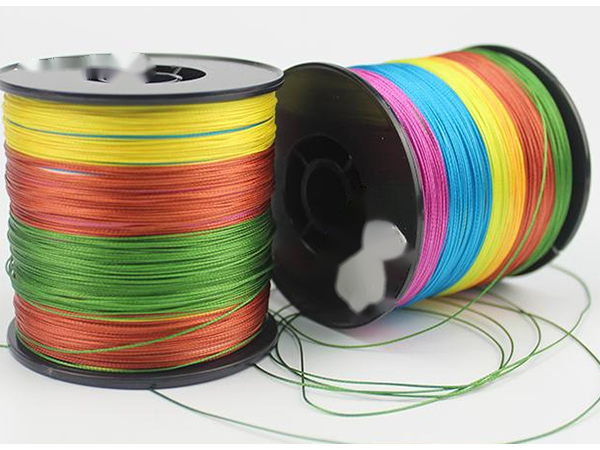
By leveraging advanced fiber blending and precision weaving techniques, HUIDUN supplies heavy-duty cloth backings engineered for extreme abrasion resistance, zero-stretch stability under tension, and high thermal endurance. Whether your applications involve aggressive industrial grinding backings, cut-resistant industrial protection, or heavy-duty marine fabrics, our material solutions deliver unmatched reliability.
Summary
Neither material is universally “better”—they serve distinct operational roles. If your goal is ultra-fine finishing on flat surfaces at a low unit price, high-grade abrasive paper remains a practical option. However, for heavy stock removal, continuous machine sanding, wet environments, and applications requiring maximum tear resistance, flat grain cloth is the definitive winner. Investing in robust cloth backings minimizes machine downtime, reduces material consumption, and guarantees consistent surface quality across high-demand manufacturing runs.
Post time: Sep-11-2026