At Huidun UHMWPE, we understand the importance of sustainability in every industry. As a supplier of high-performance materials like UHMWPE flat grain cloth, we are often asked about the environmental impact of our products, particularly regarding their recyclability. As global concern about the environment increases, many customers are eager to understand how materials like UHMWPE (Ultra High Molecular Weight Polyethylene) impact our planet—and most importantly, how they can be managed once they reach the end of their useful life.
In this blog, we’ll explore whether UHMWPE flat grain cloth can be recycled, its environmental impact, and the steps we can take to ensure a more sustainable future when using such materials.
What is UHMWPE Flat Grain Cloth?
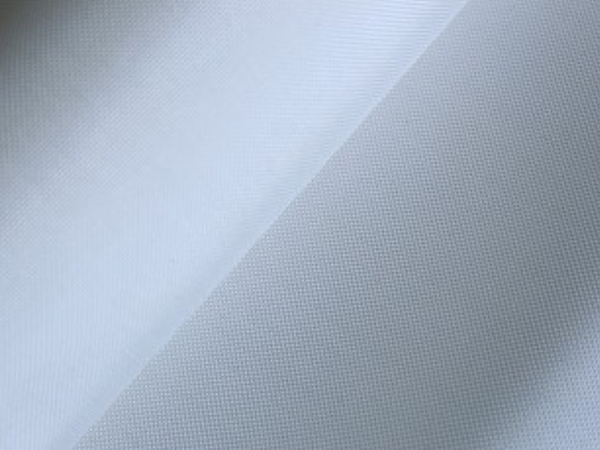
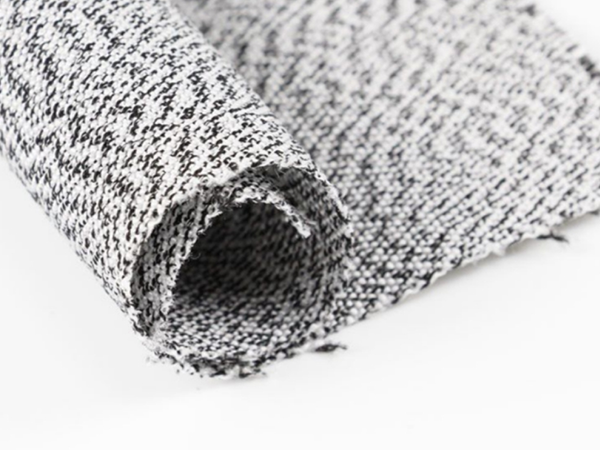
UHMWPE is a type of polyethylene with extremely long molecular chains, which gives it exceptional strength and durability. These fibers are highly resistant to wear, abrasion, and impact, making them ideal for a wide range of applications, including protective gear, industrial textiles, and medical products. UHMWPE flat grain cloth, specifically, is a woven fabric that utilizes these robust fibers to provide a flexible, durable solution for a variety of industries.
The combination of light weight and impressive mechanical properties has made UHMWPE flat grain cloth a preferred material in sectors that demand high-performance textiles. While this material excels in strength and longevity, its impact on the environment, especially in terms of recyclability, is a growing concern.
Can UHMWPE Flat Grain Cloth Be Recycled?
The short answer is: Yes, but with limitations.
UHMWPE flat grain cloth, like other polyethylene-based materials, is technically recyclable. However, the recycling process for UHMWPE is not as straightforward as it is for more common plastics like PET or HDPE. The main reason for this difficulty lies in the molecular structure of UHMWPE, which gives it its remarkable strength but also makes it more challenging to break down in typical recycling processes.
- Recycling Challenges: The high molecular weight of UHMWPE means that it does not melt or flow in the same way as other plastics. This can create challenges in traditional recycling systems, which are designed for more easily processable materials. As a result, UHMWPE needs specialized equipment and methods for recycling.
- Existing Recycling Methods: There are methods available for recycling UHMWPE, but they are still in the development stages or require specialized facilities. Some recycling processes involve grinding the material into small particles, which can then be used as filler material in other products. However, recycling UHMWPE into high-quality new fibers or fabrics is not yet a widespread practice.
While this doesn’t mean UHMWPE is impossible to recycle, it does highlight the need for more efficient recycling technologies and better systems to handle these materials at the end of their lifecycle.
Environmental Impact of UHMWPE Flat Grain Cloth
The environmental impact of UHMWPE flat grain cloth, particularly when it is not recycled, can be significant. However, understanding this impact requires us to look at the broader lifecycle of the material.
- Production Impact: The production of UHMWPE is energy-intensive and involves the use of non-renewable resources. Manufacturing UHMWPE fibers requires large amounts of energy to process the polyethylene and create the final product. This energy consumption contributes to the carbon footprint of UHMWPE flat grain cloth.
- Durability and Longevity: On the positive side, UHMWPE is incredibly durable. The material’s resistance to wear, corrosion, and abrasion means that products made from UHMWPE, including flat grain cloth, have long lifespans. This durability is a key factor in reducing the frequency of replacements, which, in turn, reduces waste and the overall environmental impact.
- Waste Disposal: If UHMWPE flat grain cloth is not recycled, it may end up in landfills where it can persist for many years due to its non-biodegradable nature. This is where the challenge lies—finding ways to manage this waste effectively and responsibly is essential. Given that UHMWPE does not easily degrade, the material can contribute to long-term environmental pollution if not handled correctly.
The Future of Recycling UHMWPE Flat Grain Cloth
As demand for sustainable materials increases, several initiatives are underway to improve the recyclability of UHMWPE and other high-performance polymers. The development of new recycling technologies is critical to ensuring that materials like UHMWPE can be recycled more efficiently and without compromising their properties.
Some potential solutions include:
- Advanced Chemical Recycling: New chemical recycling techniques are being explored that could break down UHMWPE into its monomeric components, which can then be re-polymerized into new materials. While this technology is still in its infancy, it holds promise for enhancing the recyclability of UHMWPE and reducing the environmental impact of its disposal.
- Closed-Loop Recycling: Some companies are working toward closed-loop systems where products made from UHMWPE are recycled back into the same type of material. This would allow for continual use of the material without the need for new raw materials, significantly reducing waste and energy consumption.
- Recycling Partnerships: As the demand for sustainable practices grows, more partnerships between manufacturers, waste management companies, and researchers could drive forward new systems for recycling UHMWPE. These efforts would aim to make the material recycling process more cost-effective and efficient, further promoting the circular economy.
Sustainability at Huidun UHMWPE
At Huidun UHMWPE, we are committed to reducing the environmental impact of our products. While the recycling of UHMWPE flat grain cloth remains a challenge, we continue to innovate and collaborate with industry leaders to develop sustainable solutions. By focusing on product durability, reducing waste, and supporting research into recycling technologies, we strive to minimize the ecological footprint of our materials.
We also encourage our customers to explore ways to reuse UHMWPE products whenever possible, ensuring that the lifespan of the material is maximized before it reaches the end of its lifecycle.
While UHMWPE flat grain cloth can be recycled, the process is still developing, and there are challenges to overcome. Its environmental impact is a combination of its durability, energy-intensive production, and challenges in end-of-life recycling. However, the material’s long-lasting properties mean it can reduce the need for frequent replacements, ultimately saving resources in the long term.
At Huidun UHMWPE, we are dedicated to finding innovative ways to reduce the environmental footprint of UHMWPE products. We believe that by fostering advancements in recycling and promoting sustainable practices, we can create a more environmentally friendly future for high-performance materials. If you’re looking for durable, high-quality UHMWPE flat grain cloth that balances performance with sustainability, explore our products today.
Contact us at Huidun UHMWPE to learn more about how we’re making strides toward a greener, more sustainable world!
Post time: Apr-30-2026