In the realm of advanced technical textiles, material selection often dictates the difference between long-lasting performance and structural failure. Among high-performance woven materials, flat grain cloth—specifically flat-woven Ultra-High Molecular Weight Polyethylene (UHMWPE) fabric—has emerged as a vital component across demanding industrial sectors.
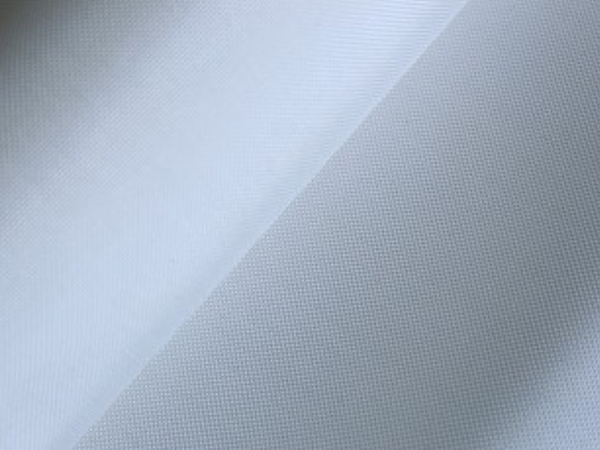
Characterized by its tight, balanced plain-weave construction and flat surface profile, flat grain UHMWPE cloth combines extreme tensile strength, low weight, high cut and abrasion resistance, and chemical inertness. Unlike standard knitted fabrics or non-woven sheets, the symmetrical warp-and-weft structure of flat grain fabric offers superior dimensional stability under multidirectional tension.
Understanding which industries rely on flat grain cloth, why they choose it, and how to select the right specification is essential for product designers, safety engineers, and procurement managers.
Technical Characteristics of Flat Grain UHMWPE Cloth
Before examining end-use sectors, it helps to review why flat grain woven construction is uniquely suited for demanding applications:
Balanced Load Distribution: The crisscross geometry of flat grain weaving distributes mechanical stress evenly across both warp and weft directions, preventing directional tearing under load.
Minimal Friction & High Abrasion Tolerance: The flat profile creates a smooth surface with a coefficient of friction nearly as low as PTFE, reducing wear during sliding contact.
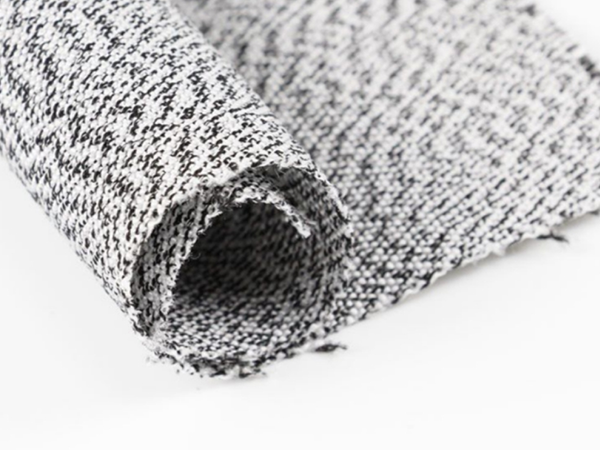
High Cut and Slash Resistance: High-denier UHMWPE yarns woven into a tight flat pattern resist blade penetration, shear forces, and sharp-edge contact (conforming to EN 388 cut levels up to F / ANSI Level A6+).
Chemical and Environmental Resistance: Highly resistant to moisture absorption, UV exposure, salt water, acids, and alkalis, ensuring stability in extreme outdoor and industrial environments.
Superior Strength-to-Weight Ratio: Stronger than steel on an equal-weight basis while remaining light enough to float on water (density ~0.97 g/cm³).
1. Personal Protective Equipment (PPE) & Industrial Workwear
The PPE industry is one of the largest consumers of flat grain UHMWPE fabric. Industrial working environments containing glass panels, sheet metal, or sharp cutting instruments present constant cut, slash, and puncture hazards.
Key Use Cases:
· Glass Handling & Metal Stamping Jackets: Outer shells or targeted reinforcement zones on safety aprons, sleeves, and pants use flat grain cloth to stop sharp sheet edges from lacerating the wearer.
· Food Processing & Meat Butchery Apparel: Flat grain woven liners resist punctures from knives and bone splinters without absorbing moisture or harboring bacteria.
· Chainsaw & Power Tool Guarding: Multi-layered flat grain woven fabrics are integrated into trousers and gaiters. When struck by a moving blade or chain, the dense flat fibers pull into the drive mechanism to arrest motion instantly.
2. Tactical, Law Enforcement & Defense Logistics
While military body armor often relies on unidirectional (UD) UHMWPE sheets for ballistic stopping power, flat grain woven UHMWPE cloth plays a crucial role in tactical gear and anti-aggression equipment.
Key Use Cases:
· Slash-Proof Tactical Backpacks and Vests: Flat grain cloth serves as an ideal outer or inner protective lining for tactical carriers, preventing slash-and-grab attacks in urban or riot environments.
· Stab-Resistant Tactical Linings: When paired with specialized coatings or resin matrices, flat grain woven layers spread energy over a wider surface area, helping mitigate knife and spike threats.
· Heavy-Duty Load-Carrying Equipment: Straps, MOLLE attachments, and load-bearing pouches benefit from the non-stretch, high-tenacity characteristics of flat weave UHMWPE.
3. Marine, Offshore, and Commercial Fishing
Marine environments test the limits of technical fabrics. Constant saltwater immersion, heavy abrasion against metal hardware, intense UV exposure, and heavy mechanical loads require materials that do not degrade or gain weight when wet.
Key Use Cases:
· Anti-Chafe Sleeves for Mooring Lines: Heavy synthetic ropes running through fairleads or over deck edges wear out quickly. Flat grain UHMWPE cloth sewn into protective sleeves absorbs friction with virtually zero surface degradation.
· Oceanographic & Deep-Sea Gear Bags: Equipment dropped into subsea environments needs tear-proof containment that remains lightweight and non-absorbent.
· Reinforced Aquaculture Netting and Covers: Flat grain fabric linings guard expensive fish farming enclosures against predator attacks (e.g., seals and sharks) without compromising water circulation.
4. Heavy Manufacturing, Logistics, and Material Handling
Industrial facilities handling heavy, abrasive, or sharp cargo depend on flat grain UHMWPE textiles to protect machinery and lower long-term maintenance costs.
Key Use Cases:
· Cut-Resistant Lifting Sling Covers: Synthetic webbing slings used to lift steel coils or concrete blocks require cut-resistant outer sleeves. Flat grain cloth prevents sharp edges from severing load-bearing core yarns.
· Conveyor Chute & Hopper Liners: Due to its low coefficient of friction and high impact strength, flat grain woven cloth reduces surface friction and prevents wet or sticky materials from bridging in chutes.
· High-Durability Industrial Covers & Tarps: Flat grain UHMWPE sheets shield valuable cargo and equipment during transport through corrosive chemical plants or harsh weather conditions.
5. Outdoor, Extreme Sports & Commercial Luggage
Consumer brands producing high-end travel gear, motorcycle apparel, and outdoor equipment increasingly incorporate flat grain UHMWPE fabric to combine durability with sleek, lightweight design.
Key Use Cases:
· Anti-Theft Travel Gear: Backpacks, duffels, and waist packs lined with lightweight flat grain fabric protect travelers against pickpocketing cuts in crowded transit hubs.
· Motorcycle Riding Wear: Blended or pure flat grain UHMWPE textiles are integrated into high-impact zones (elbows, knees, hips) of riding jeans and jackets, providing asphalt slide resistance comparable to heavy leather at a fraction of the weight.
· Mountaineering and Skiing Packs: Alpine backpacks use flat grain UHMWPE reinforcements on bottom panels and tool loops to resist ice axes, sharp crampons, and jagged rocks.
Selecting the Right Flat Grain Cloth: Key Considerations
When specifying flat grain UHMWPE cloth for your production line or end product, consider the following parameters:
1.Areal Density (GSM): Light weights (100–200 g/m²) suit flexible apparel linings and lightweight bags, while heavier weights (300–600+ g/m²) are preferred for heavy industrial sling covers and equipment armor.
2.Yarn Denier: Fine yarn deniers (e.g., 200D–400D) yield a tighter, softer hand feel for wearable textiles. Higher deniers (800D–1600D+) maximize structural cut and tensile resistance.
3.Coatings & Laminations: Polyurethane (PU), silicone, or thermoplastic coatings can be applied to flat grain cloth to enhance water resistance, lock fiber positioning, or improve adhesion in composite layups.
Partnering with Huidun UHMWPE for Custom Technical Fabrics
Finding a supplier that delivers consistent yarn quality, precise weave geometry, and certified safety performance is essential when sourcing high-performance fabrics.
As a dedicated manufacturer in the ultra-high molecular weight polyethylene sector, Huidun UHMWPE produces a comprehensive range of flat grain fabrics, cut-resistant textiles, UD materials, and specialized fiber formulations tailored for global safety, marine, and industrial applications.
Whether you are designing next-generation PPE workwear, engineering heavy-duty marine sleeves, or developing high-strength outdoor equipment, our technical team works closely with clients to supply custom weave patterns, GSM ratings, and functional surface treatments.
Looking to upgrade your material performance? Explore our flat grain cloth options and technical specifications at huidunuhmwpe.com or reach out to our engineering team to request sample swatches for laboratory testing.
Post time: Aug-13-2026