In the realm of advanced technical textiles and high-performance materials, selecting the correct weave structure is just as critical as choosing the raw polymer fiber. For engineers, procurement officers, and protective equipment manufacturers evaluating cut-resistant, abrasion-resistant, or ballistic fabrics, flat grain cloth stands out as a premier industrial solution.
Despite its growing adoption across maritime, defense, manufacturing, and heavy transport sectors, buyers frequently ask: What exactly is flat grain cloth, how is it constructed, and where does it provide the highest performance value?
Here is a comprehensive guide to flat grain cloth, its core material dynamics, manufacturing parameters, and key industrial applications.
1. Defining Flat Grain Cloth: Weave and Material Science
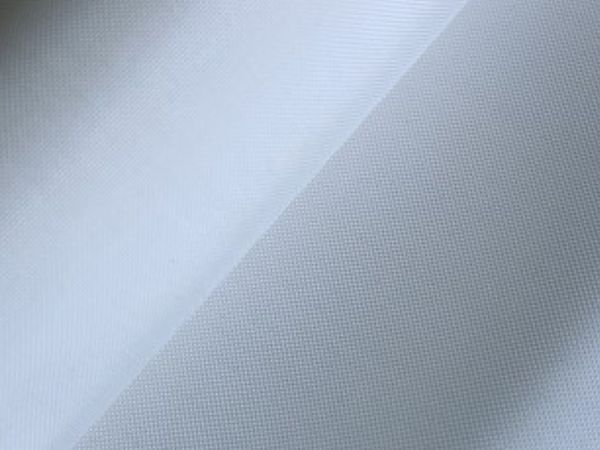
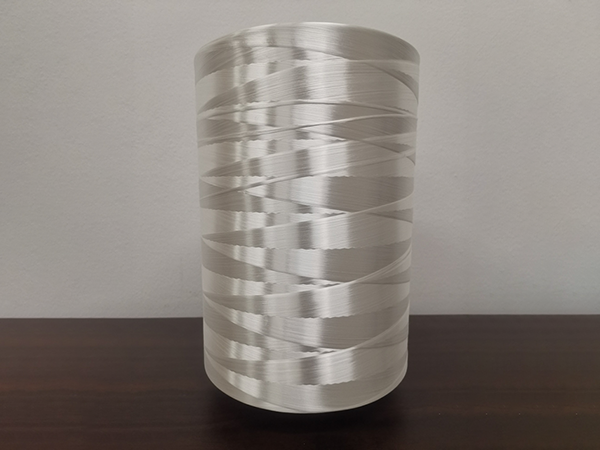
Flat grain cloth refers to a specialized heavy-duty technical fabric woven using ultra-high-molecular-weight polyethylene (UHMWPE) continuous filaments or high-tenacity yarns laid flat in a tight, uniform plain-weave matrix.
Unlike conventional textured or round-twisted woven fabrics, flat grain cloth is engineered by controlling yarn bundle tension during high-speed loom insertion:
· Flat Profile Alignment: The individual filament strands spread evenly across the surface rather than bunching into round cords. This creates a smooth, flat, low-friction surface grain across both the warp and weft directions.
· High Surface Coverage: Because the flat filaments cover a larger surface area per thread, the fabric minimizes micro-gaps between weave intersections, resulting in superior barrier density and snag resistance.
2. Key Physical Properties and Performance Advantages
The combination of high-tenacity UHMWPE raw material and flat-grain weaving delivers a unique matrix of mechanical properties:
A. Exceptional Cut and Tear Resistance
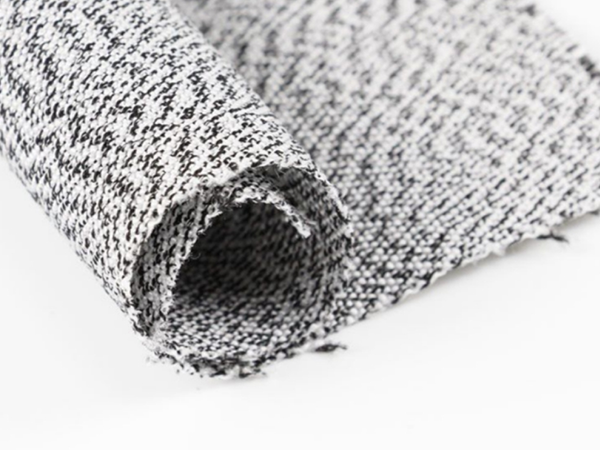
UHMWPE fibers possess an exceptionally high tensile strength (up to $15\times$ stronger than steel on a weight-for-weight basis). Woven into a flat grain structure, the tight filament alignment dissipates sharp mechanical impacts over a wide surface area, making it ideal for meeting high ANSI and EN388 (Cut Level 5 / Cut F) standards.
B. Ultra-Low Coefficient of Friction & Abrasion Resistance
The smooth, flat surface grain dramatically reduces surface friction. When dragged against abrasive surfaces—such as concrete, steel edges, or sharp rocks—flat grain cloth slides smoothly without catching or fraying, offering significantly longer wear life than standard polyester or nylon weaves.
C. Chemical Inertness and Zero Water Absorption
UHMWPE molecules feature a non-polar carbon-hydrogen backbone that resists acids, alkalis, and organic solvents. Furthermore, flat grain cloth absorbs virtually zero moisture (< 0.01%), preventing weight gain in marine environments and resisting mold, rot, and UV degradation.
D. High Strength-to-Weight Efficiency
Despite its extreme toughness, flat grain cloth remains lightweight (0.97g/cm3 specific gravity), allowing it to float on water while maintaining immense tensile load capacities.
3. Industrial Applications for Flat Grain Cloth
Because of its unique balance of flexibility, abrasion resistance, and extreme cut defense, flat grain cloth is utilized across diverse heavy industries:
· Cut-Resistant Personal Protective Equipment (PPE): Used as reinforcement linings in protective jackets, slash-resistant aprons, and industrial safety gloves for glass handling and metal stamping plants.
· Marine & Offshore Engineering: Applied in heavy-duty towing line jacket sleeves, mooring rope anti-chafe guards, and hull reinforcement liners exposed to saltwater abrasion.
· Cargo & Freight Protection: Integrated into cut-proof logistics bags, anti-theft luggage linings, container tarpaulins, and heavy lifting sling sleeves.
· Ballistic & Structural Composites: Serves as a flexible armor backing material or a outer protective layer for composite plates and protective panels.
4. Key Procurement Selection Criteria
When sourcing flat grain cloth from primary textile mills, technical buyers should specify and compare the following engineering variables:
| Parameter | Standard Industrial Specs | Impact on Final Product |
| Fiber Denier | 400D – 1600D UHMWPE | Controls yarn thickness and ultimate breaking strength |
| Areal Weight (GSM) | 150 g/m2 – 600 g/m2+ | Dictates fabric thickness, weight, and cut resistance level |
| Coating Options | Raw, PU, or Silicone-coated | Added water repellency, non-slip friction, or UV protection |
| Roll Width | 1.0m – 2.0m custom widths | Determines cutting yield and manufacturing efficiency |
Source Direct Flat Grain Cloth from Huidun UHMWPE
Achieving reliable batch-to-batch consistency in flat grain fabric requires strict control over fiber tension, loom calibration, and yarn quality.
At Huidun UHMWPE, we manufacture high-tenacity UHMWPE fibers, flat grain cloth, cut-resistant technical weaves, and customized protective fabrics engineered to meet international safety standards.
To request fabric samples, view detailed technical specification sheets, or get factory-direct pricing for your next production run, visit Huidun UHMWPE.
Post time: Nov-11-2026