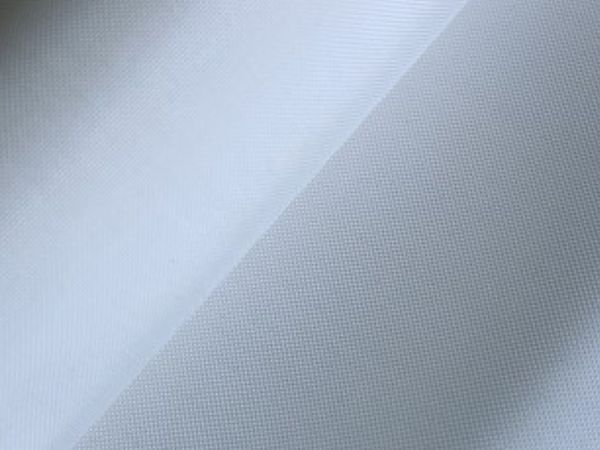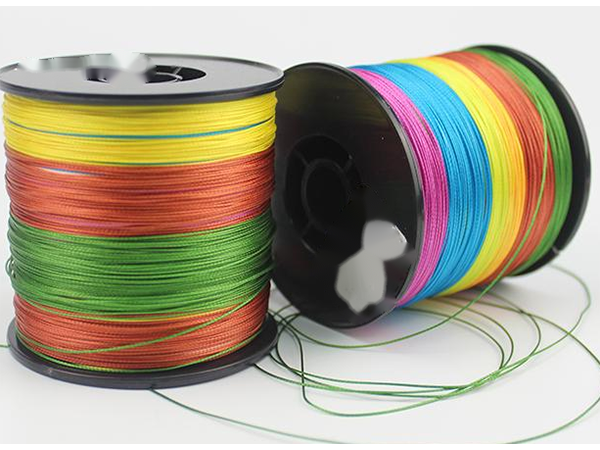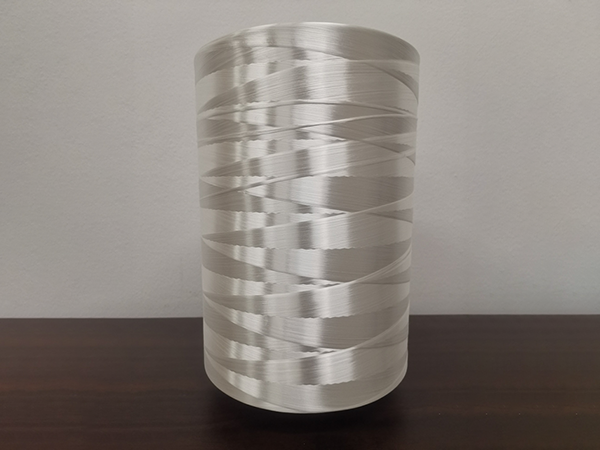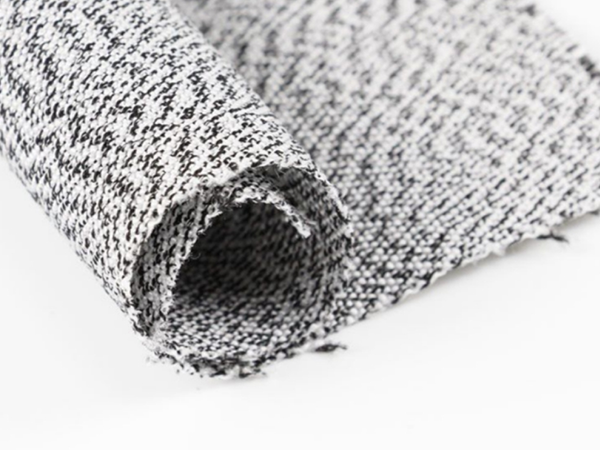
When purchasing high-performance technical textiles, procurement teams and industrial designers quickly realize that pricing varies widely across the market. Among ultra-high-molecular-weight polyethylene (UHMWPE) woven products, flat grain cloth (also referenced in industrial processing as plain weave or flat-woven UHMWPE fabric) stands out as an essential material for cut-resistant apparel, protective luggage, marine reinforcement, and industrial lining.
If you are sourcing UHMWPE flat grain cloth for manufacturing or wholesale, understanding what drives its market price helps you negotiate effectively, choose the right specifications, and avoid overpaying for unnecessary over-engineering.
Here is a breakdown of the primary factors that dictate the cost of flat grain cloth.
1. Quality and Denier of Raw UHMWPE Fiber
The cost structure of any technical woven fabric starts at the raw material level. Flat grain cloth made from ultra-high-molecular-weight polyethylene derives its legendary tensile strength, cut resistance, and low specific gravity directly from the base filament used during weaving.
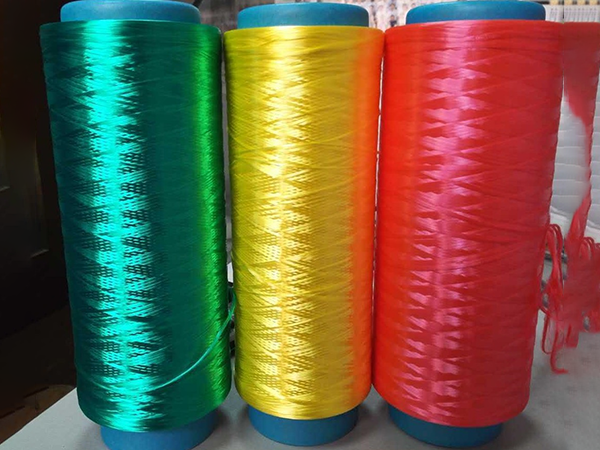
· Fiber Denier (D): Fine denier yarns (e.g., 20D to 400D) require more precise spinning processes and yield tighter, smoother weaves, driving higher production costs per kilogram. Heavier deniers (e.g., 1000D to 3200D) are faster to weave and generally more economical per square meter.
· Molecular Weight & Tensile Grade: High-tenacity UHMWPE fiber with superior molecular orientation commands a higher price tag compared to standard industrial-grade filaments.
· Fiber Form (Filament vs. Staple/Spun): Continuous multi-filament yarns deliver maximum strength and abrasion resistance, whereas short fiber or covered spun yarns offer different tactile profiles and price points.
2. Weave Density, Areal Density (GSM), and Construction
The structural parameters of the fabric directly influence material consumption, machine running times, and overall physical performance.
· Gram Weight per Square Meter (GSM): Heavier flat grain cloth consumes more raw yarn per linear meter, increasing direct raw material costs.
· Pick Count & Thread Density: A high-density flat weave requires slower loom speeds and finer calibration to prevent yarn fraying or filament split during tensioning. Fabrics with higher thread counts per inch (EPI/PPI) inherently carry higher processing overheads.
· Weave Width: Custom or non-standard loom widths (e.g., extra-wide rolls above 1.6 meters) often require specialized setup times and higher operational costs compared to standard production widths.
3. Post-Processing & Special Coatings
Standard grey/white raw flat grain cloth is often modified to meet specific end-use environments. Surface treatments and chemical functionalization add measurable value—and cost—to the finished roll.
· Cut & Abrasion Coatings: Adding polyurethane (PU), nitrile, or silicone topcoats enhances grip, water repellency, and cut resistance (e.g., ANSI or EN388 cut-level certifications).
· UV Stability & Flame Retardants: While UHMWPE naturally resists UV and chemical corrosion better than many aramid fibers, specialized flame-retardant or anti-static finishes add steps to the finishing line.
· Color Dyeing & Hybrid Weaving: Pure UHMWPE is notoriously difficult to dye due to its inert surface energy. Producing colored flat grain cloth—or interweaving carbon fiber, glass fiber, or stainless steel wire into the flat weave—increases manufacturing complexity and batch pricing.
4. Performance Standards & Certification Requirements
Compliance with international safety and durability standards is another price differentiator.
Fabrics engineered for critical protective equipment (such as EN388 cut level 5 / ISO 13997 standards, anti-puncture industrial shields, or military-grade gear) undergo rigorous laboratory testing, batch tracking, and quality assurance workflows. The cost of maintaining consistent certification standards and strict tolerance controls is reflected in the final unit price.
5. Order Volume and Manufacturer Customization (OEM/ODM)
As with most advanced manufacturing, scale plays a vital role in pricing:
· MOQ & Batch Size: Running smaller custom batches requires setup changes, yarn creel setups, and loom downtime, raising the cost per meter.
· Direct Factory Sourcing: Sourcing directly from integrated manufacturers like Huidun UHMWPE eliminates intermediary distributor markups, allowing B2B buyers to optimize their material budgets while receiving custom fabric specifications directly from the source.
Summary: Balancing Performance with Budget
To get the best value when purchasing flat grain cloth:
1.Define exact mechanical requirements: Do not pay for a 3000D high-density fabric if an 800D flat weave satisfies your cut and abrasion requirements.
2.Clarify surface needs: Determine if raw woven fabric is sufficient or if post-treatment coating is necessary for your converting line.
3.Work with an integrated manufacturer: Direct factory collaboration ensures stable yarn quality, customizable loom settings, and competitive tier pricing for bulk orders.
For technical data sheets, custom weave development, or direct price quotes on high-performance UHMWPE flat grain cloth, explore the full product range at Huidun UHMWPE.
Post time: Oct-30-2026