In industrial surface finishing, metal fabrication, and composite processing, choosing the right coated abrasive is not just a matter of selecting a grit size. It comes down to the structural construction of the backing fabric and how abrasive grains are distributed across its surface.
For high-stress grinding, sanding, and finishing operations, flat grain cloth serves as one of the most reliable backings available. However, a critical technical decision remains: should your operation use Open Coat or Closed Coat flat grain cloth?
Understanding the architectural differences, material dynamics, and real-world performance factors between these two coating densities can dramatically improve output quality, lower consumable costs, and optimize production efficiency.
1. Defining Flat Grain Cloth: The Backing Foundation
Before evaluating grain density, it is essential to understand the backing material itself.
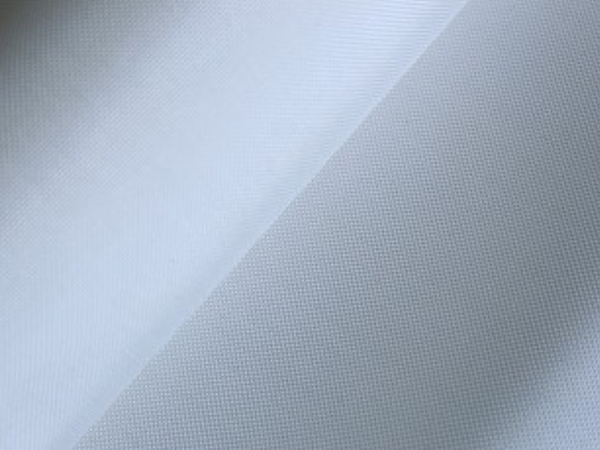
Flat grain cloth (often referred to in the industry as flat-woven abrasive cloth backing) is a heavy-duty, highly stable textile structure engineered specifically to withstand intense tensile strain, directional tearing, and mechanical friction. Unlike lightweight flexible fabrics used in delicate hand-sanding, flat grain cloth provides:
High Tensile Strength: Minimal stretching under heavy machine tension, ensuring tracking stability on high-speed wide belts, narrow belts, and heavy sanding discs.
Dimensional Stability: Flat grain weaving reduces surface distortion, preventing uneven pressure distribution during planar grinding.
Superior Resin Adhesion: The flat, tight weave profile allows phenolic and technical bonding resins to lock firmly onto the backing, drastically reducing premature grain shed under high thermal load.
Once this flat grain cloth backing is woven and treated, synthetic abrasive grains—such as aluminum oxide, silicon carbide, or zirconia alumina—are applied using an electrostatic or gravity coating method in either an open coat or closed coat pattern.
2. What Is Closed Coat Flat Grain Cloth?
In a closed coat structure, abrasive grains cover 100% (or nearly 95% to 100%) of the cloth backing’s total surface area. There are virtually no visible gaps between individual mineral points.
Key Technical Characteristics
· Maximum Cutting Points: Because the entire surface is covered in abrasive grains, closed coat cloth maximizes material removal rates per revolution or stroke.
· Extended Service Life on Hard Surfaces: The mechanical load is distributed across a maximum number of cutting edges, reducing the wear rate on individual grains when working on dense substrates.
· Finer Surface Finish: Dense grain distribution yields a uniform scratch pattern, ideal for intermediate and final surface prep.
Primary Applications
Closed coat flat grain cloth excels on hard, dense materials that generate dry, fine dust rather than sticky or resinous swarf:
· Ferrous and non-ferrous metals (stainless steel, titanium, structural steel, aluminum alloys)
· Hardwoods (oak, maple, beech)
· Dense thermoset plastics, fiberglass, and carbon-fiber composites
· Glass and ceramic edge grinding
3. What Is Open Coat Flat Grain Cloth?
In an open coat structure, abrasive grains cover approximately 50% to 70% of the cloth backing surface, leaving intentionally engineered spacing between adjacent mineral grains.
Key Technical Characteristics
· Clog & Load Resistance: The open spaces between grains act as clearance channels (swarf pockets) for grinding dust, pitch, and sticky debris to escape rather than packing tightly between cutting points.
· Cooler Operating Temperatures: Airflow through the open channels helps dissipate heat, protecting heat-sensitive workpieces from thermal discoloration or burning.
· Flexible Aggressiveness: Fewer cutting points mean higher down-force per individual grain, allowing deeper initial bite on soft or gummy substrates.
Primary Applications
Open coat flat grain cloth is mandatory when processing soft, loading-prone materials:
· Softwoods and resinous woods (pine, fir, cedar)
· Soft metals and non-ferrous alloys prone to smearing (pure copper, soft aluminum, brass)
· Painted, varnished, or clear-coated surfaces during paint removal or surface preparation
· High-tack synthetic materials, rubber, and leather processing
4. Head-to-Head Technical Comparison
Selecting between these two configurations requires weighing key performance indicators against your operational needs:
| Performance Metric | Closed Coat Flat Grain Cloth | Open Coat Flat Grain Cloth |
| Surface Coverage | 95% – 100% | 50% – 70% |
| Material Removal Rate | Extremely High (Hard Materials) | Moderate to High (Soft Materials) |
| Resistance to Loading / Clogging | Low (Prone to loading on soft stock) | Excellent (Spaced pockets allow swarf clearance) |
| Heat Generation | Higher friction profile | Lower friction / Cooler cutting action |
| Scratch Pattern Uniformity | Smooth, consistent, highly uniform | Slightly coarser initial scratch profile |
| Ideal Substrates | Metal, Stainless Steel, Hardwood, Composites | Softwood, Paint/Coating Removal, Soft Metals |
5. Industrial Performance Integration & Material Considerations
In modern industrial settings, achieving peak productivity means pairing the right coating structure with high-performance backup materials and specialized protective fabrics.
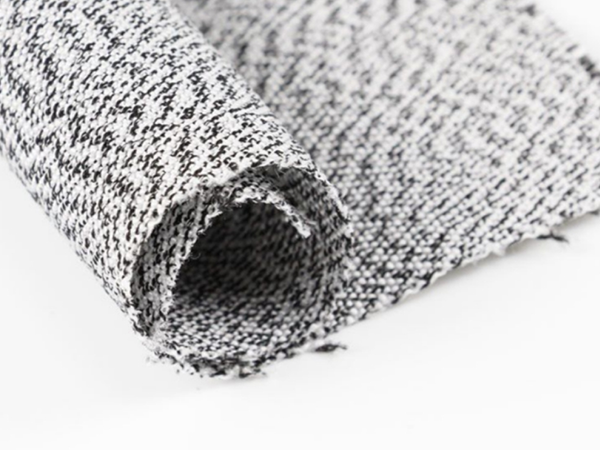
At Jiangsu Huidun New Material Technology Co., Ltd. (huidunuhmwpe.com), our research into advanced industrial textiles underscores the critical relationship between mechanical friction, thermal stability, and material wear. Whether working with heavy-duty abrasive backings, high-tenacity industrial fabrics, or specialized UHMWPE cut- and heat-resistant fiber matrices, balancing structural strength with material clearance is essential for extended tool life and operator safety.
When configuring heavy-duty sanding belts or planar grinding wheels:
1.Match substrate hardness to coat density: Use closed coat flat grain cloth for hard metals and dense composites where maximum grain contact accelerates cycle times.
2.Prevent thermal damage on soft alloys: Switch to open coat configurations when working with sticky or soft materials to prevent resin loading, belt glazed spots, and thermal stress on the underlying backing.
3.Inspect backing tension: Ensure your equipment’s tensioning system is dialed in for flat grain cloth backings to maximize dimensional accuracy and minimize belt flutter during high-speed operation.
Conclusion: Making the Right Selection
Neither open coat nor closed coat flat grain cloth is universally “better”—each serves a distinct functional purpose in material conversion and surface finishing.
· Choose Closed Coat Flat Grain Cloth when your goal is aggressive material removal, long abrasive life on hard surfaces, and consistent, fine finishes on metals and hardwoods.
· Choose Open Coat Flat Grain Cloth whenever you process resinous softwoods, soft metals, or painted surfaces where loading, clogging, and heat buildup threaten production efficiency.
By matching the physical properties of your workpiece with the correct grain density and a high-stability flat grain backing, industrial operators can minimize consumable downtime, lower unit processing costs, and maintain superior finish quality.
For technical inquiries regarding high-performance industrial fabrics, UHMWPE fiber technology, and specialized textile solutions, visit Huidun New Material Technology.
Post time: Sep-20-2026