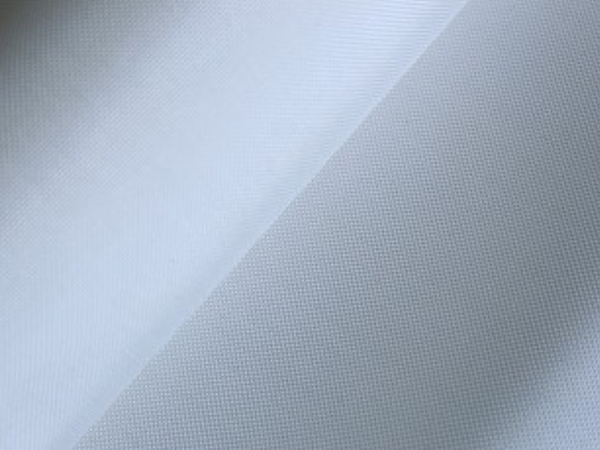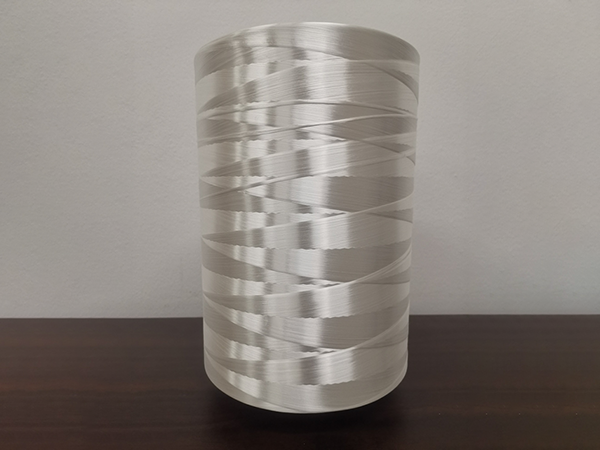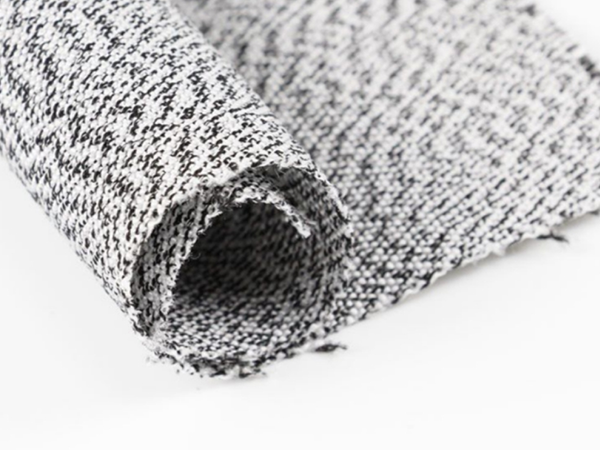
Flat grain cloth (commonly known as flat grain abrasive cloth) is an essential workhorse in industrial surface finishing, wood sanding, metal deburring, and composite processing. Whether used as wide sanding belts, narrow converting belts, or custom friction sheets, its longevity directly affects production throughput, surface finish consistency, and operational expenditure.
However, asking “how long does flat grain cloth last?” does not yield a single fixed hourly number. Its practical operational lifespan ranges anywhere from a few hours of continuous heavy stock removal to dozens of operating cycles, depending entirely on material friction, backing stress, grit selection, and environmental conditions.
This article breaks down the realistic operational lifespan of flat grain cloth, the primary factors driving premature wear, and how to maximize its service life in production facilities.
1. Realistic Lifespan Metrics Across Typical Applications
Because flat grain cloth is consumed through mechanical friction, industrial operators measure its usable life in material throughput (square meters processed) or effective operating hours rather than calendar days.
|
Application |
Average Operational Lifespan |
Primary Mode of Retirement |
|
Heavy Metal Deburring |
4 – 8 Operating Hours |
Grain Dulling / Thermal Burn |
|
Softwood Sanding |
15 – 30 Operating Hours |
Resin Clogging (Loading) |
|
Hardwood Calibration |
8 – 16 Operating Hours |
Grain Stripping / High Friction |
|
Composite Surface Prep |
10 – 20 Operating Hours |
Fine Dust Loading |
Under normal working conditions, a quality flat grain abrasive cloth reaches the end of its useful life when one of three things occurs:
1.Abrasive Dulling: The sharp cutting edges of the grain flatten, reducing cut rate and increasing frictional heat.
2.Backing Fatigue: The woven cloth backing stretches, frays, or loses tension stability under continuous high-load pull.
3.Loading (Clogging): Resin pitch, wood dust, or soft metal swarf packs tightly between the grains, turning the cutting surface slick.
2. Key Factors That Determine How Long Flat Grain Cloth Lasts
A. Backing Weight and Cloth Structure
Flat grain cloth relies on woven textile backings rated by weight classes (such as J-flex, X-weight, or Y-weight polyester/cotton). Heavy industrial applications require stiff Y-weight or X-weight polyester backings that resist tensile stretching under heavy drive-roller pressure. Lighter J-weight backings conform better to contours but wear out faster under heavy downward load.
B. Grain Type and Friability
· Aluminum Oxide: Tough and economical, suitable for general woodworking and carbon steel, offering moderate service life.
· Zirconia Alumina: Self-sharpening under high pressure, making it ideal for heavy metal grinding with significantly longer life span.
· Ceramic Grain: Extremely durable and micro-fracturing under stress, delivering maximum cut life in high-production stainless steel and alloy lines.
C. Applied Contact Pressure and Heat Buildup
Excessive operator or machine pressure causes deep grain penetration, generating thermal energy that softens the bonding resin. Heat is the primary enemy of abrasive cloth longevity; once thermal threshold limits are exceeded, the abrasive grain sheds prematurely from the backing.
3. How Machine Support Components Influence Abrasive Cloth Longevity
While grain choice and backing weight are critical, many facility managers overlook the mechanical environment supporting the abrasive cloth itself.
In belt sanders and automated sanding tables, flat grain cloth runs continuously across contact platens, wear plates, and pressure guides. If these supporting components generate excess friction, static electricity, or uneven pressure distribution, the abrasive cloth will wear down prematurely or track unevenly.
This is where high-performance engineering plastics play a decisive supporting role in industrial machinery.
Integrating UHMWPE Solutions for Smooth Processing
At Jiangsu Huidu Ultra-high Molecular Weight Polyethylene Co., Ltd., we engineer high-density UHMWPE (Ultra-High Molecular Weight Polyethylene) sheet products, custom wear liners, and precision machine components designed to withstand severe industrial friction.
In sanding lines and automated grinding machinery, UHMWPE components help extend the operational life of flat grain cloth in several key ways:
· Ultra-Low Friction Coefficient: Replacing metal or low-grade backing plates with UHMWPE wear plates minimizes drag on the back side of the running abrasive cloth, reducing drive-motor drag and preventing heat transfer to the cloth backing.
· Exceptional Wear and Impact Resistance: UHMWPE platen covers and guide rails resist grooving and abrasion from runaway swarf, ensuring flat, even pressure distribution across the full width of the flat grain cloth.
· Corrosion and Moisture Resistance: In wet grinding environments utilizing waterproof flat grain cloth, UHMWPE absorbs zero moisture, preventing rust or material degradation on supporting machinery guides and splash shields.
4. Practical Tips to Maximize Flat Grain Cloth Service Life
To get maximum output per square meter of flat grain cloth, implement these production line best practices:
1.Use Belt Cleaning Sticks or Air Blowers: For woodworking applications, periodically clearing loaded resin pitch with rubber cleaning sticks can restore up to 30% of usable cut performance.
2.Maintain Proper Tracking and Belt Tension: Insufficient tension causes belt slippage and localized burning, while excessive tension stretches the cloth backing fibers.
3.Upgrade Machine Wear Platens: Ensure backing plates are smooth and flat. Installing smooth, low-friction UHMWPE wear plates reduces drag heat and preserves backing integrity over long shift runs.
Conclusion
How long flat grain cloth lasts depends on the balance between abrasive grain toughness, operating pressure, and heat management. By selecting the right backing grade and maintaining a low-friction machine environment, production facilities can significantly lower consumable costs and avoid unplanned line shutdowns.
Enhance your industrial processing efficiency and equipment service life with engineered plastic components. Explore our full range of high-performance UHMWPE sheets, wear liners, and custom machined components at https://www.huidunuhmwpe.com/ today.
Post time: Sep-23-2026